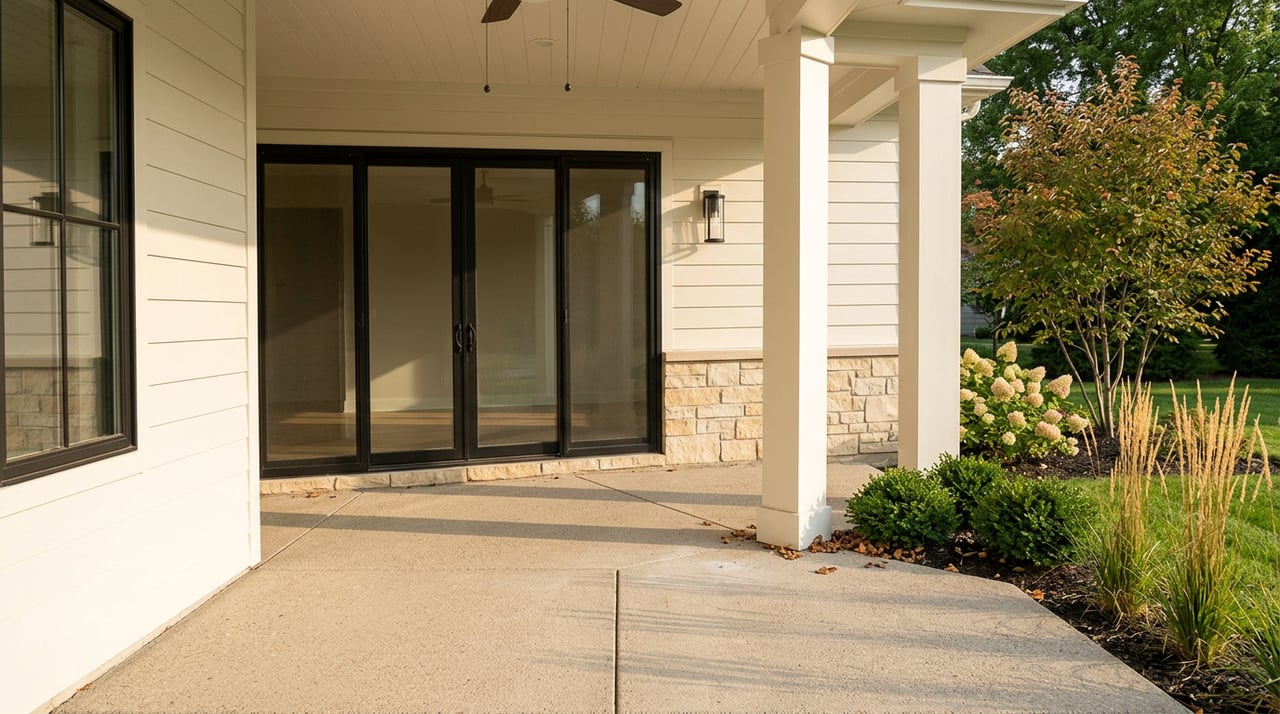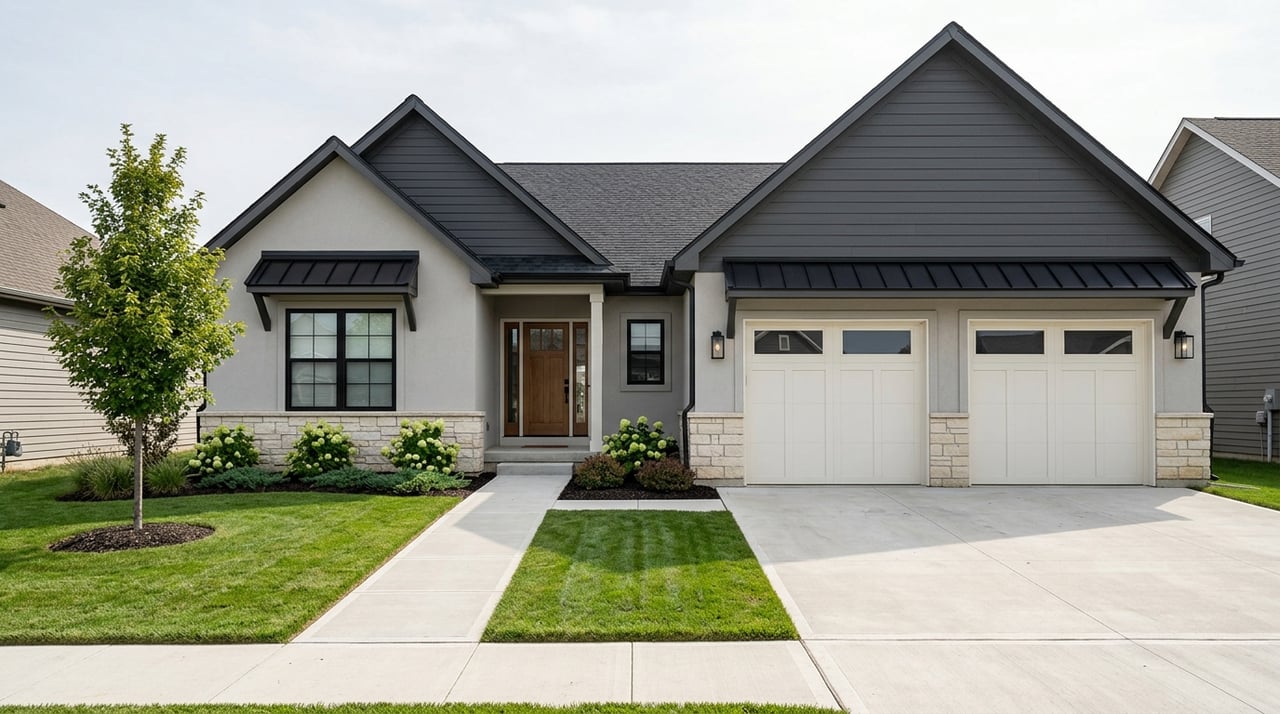
Thinking about buying a brand-new home in Ramsey? You are not alone. New construction is a big part of Ramsey’s housing activity, but the process can look very different from buying a resale home. If you want to understand where homes are being built, how builder contracts work, and what can affect your move-in date, this guide will help you walk in with more confidence. Let’s dive in.
Where new construction is happening in Ramsey
Ramsey has seen steady housing growth in recent years. The city’s development guide says Ramsey averaged 230 new housing units per year and recorded 377 total housing units in 2024. That gives you a sense of how active the local new-construction market has been.
Several areas are driving that activity. The city identifies major residential development at Harmony Farms, Waterfront Village, Trott Brook Crossing, Riverstone South, Northfork Meadows, Lynwood, and Preserve at Northfork. Ramsey’s current development map also lists projects such as Parkside Townhomes alongside several of those larger communities.
A big part of the local story is the COR, Ramsey’s 400-plus acre transit-oriented downtown center. In practical terms, that means Ramsey’s new-construction pipeline includes both downtown-style development near the COR and larger neighborhood-style subdivisions in other parts of the city. If you are shopping here, it helps to know that not every new-build option will feel the same.
What types of new homes to expect
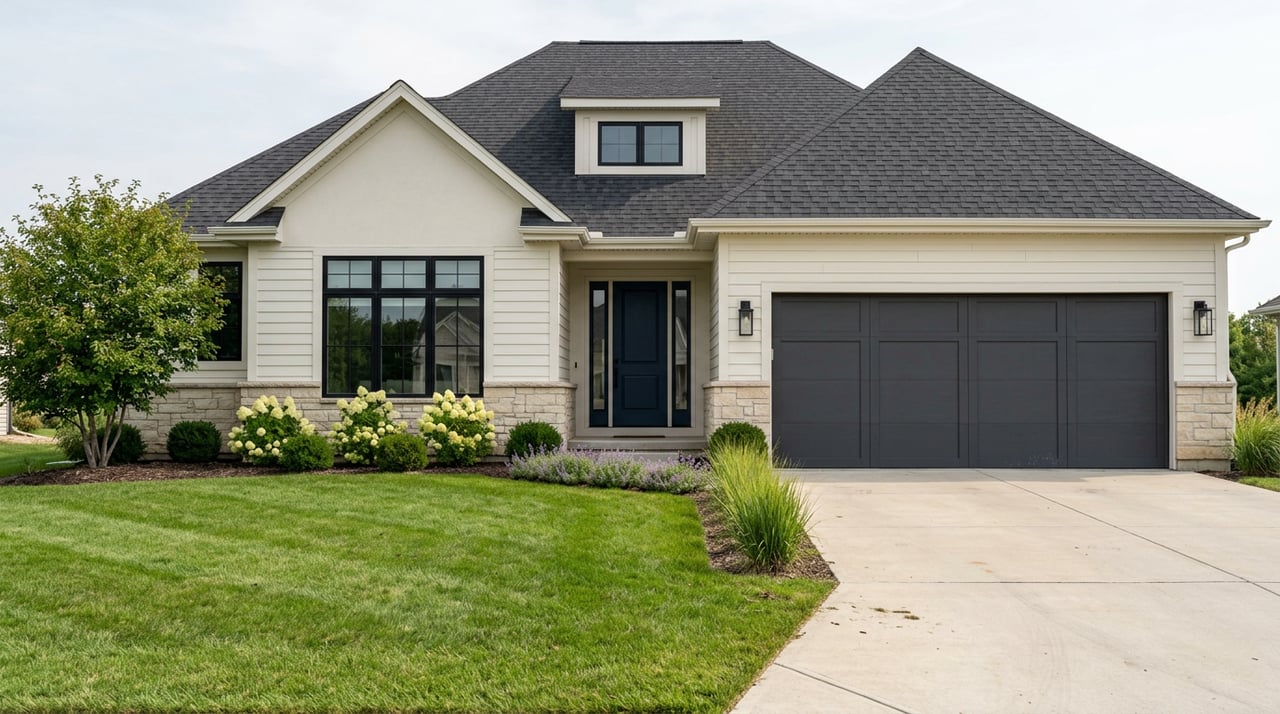
In Ramsey, many buyers are choosing from production-style communities instead of fully custom homes. That usually means you may be selecting a floor plan, a lot, and a package of finishes rather than starting from scratch with a one-off design. For many buyers, that can make the process more predictable.
Current builder activity reflects that pattern. Centra Homes describes Waterfront Village as a downtown Ramsey community with low-maintenance single-family homes with an HOA, starting in the $300s, including quick move-in inventory. Lennar’s Harmony Farms is also actively selling, with current availability and pricing in the high $300s to low $500s.
That range can be helpful if you are comparing a move-in-ready home to one that still needs to be built. Some communities may have homes that are nearly complete, while others may offer lots and floor plans with a longer timeline. Knowing which type you are looking at can shape everything from financing to your moving plans.
Why timing can shift in Ramsey
One of the biggest surprises for buyers is that a new home can be marketed before every approval is fully finished. Ramsey’s subdivision guide says major plats require a Development Agreement with the city, and minor plats do as well. That means some projects move through public review while interest from buyers is already building.
The city also routes applicants through ePermits for building, electrical, and zoning permits, and through ProjectDox for plan review. Depending on the site, a development may also need review from Anoka County Highways, the Metropolitan Council, the Lower Rum River Watershed Management Organization, MnDOT, or other agencies. That layered process can affect when construction actually starts.
For you, the key takeaway is simple: ask what stage the community and your lot are in right now. A builder may be selling homes in a neighborhood that is still moving through parts of the approval process. That does not mean there is a problem, but it does mean your timeline may depend on more than the builder’s construction crew alone.
How builder contracts differ from resale
A builder contract is not the same as a standard resale purchase agreement. If you are buying a home that is not yet built, you may be asked for an upfront deposit. You should ask exactly how much is due, what it applies to, and under what conditions it can be returned.
Minnesota’s Department of Labor and Industry says a builder contract should be specific and detailed. That includes materials, permits, start and completion dates, payment schedule, written change-order rules, and, when possible, the names of subcontractors and suppliers. Minnesota law also requires licensed contractors to include performance standards and statutory warranty information in their written contracts.
This is one reason it helps to slow down and read every page. A clean model home and a friendly sales office do not replace a careful contract review. The paperwork controls your deposit, your upgrade choices, your timeline, and what happens if plans change.
What to review before you sign
Before you sign a new-construction contract in Ramsey, pay close attention to a few key items:
- Deposit amount and refund terms
- Estimated start and completion dates
- Who is responsible for permits and approvals
- What materials and finishes are included
- How upgrades and changes must be approved
- Payment schedule and timing
- Warranty language and performance standards
- How delays are handled in the contract
Minnesota DLI also notes that delays can happen and contracts should allow reasonable delays. If the scope or price changes, those updates should be documented with a written change order. That protects both you and the builder and helps reduce confusion later.
Verify the builder’s license
Minnesota requires residential building contractors to be licensed. Before signing, you should verify that the builder is properly licensed. This is a basic but important step.
It is also worth knowing that warranty disputes are handled through civil remedies, not by a city inspector simply ordering a repair. In other words, you want to be clear on the builder’s responsibilities before closing, not just after a problem comes up. A little extra review on the front end can save you stress later.
Realistic Ramsey construction timelines
Many buyers ask the same question first: how long will this take? The answer depends on whether the home is already finished, under construction, or not started yet. In Ramsey, all three situations can exist at the same time across different communities.
Centra Homes says home construction typically takes 95 to 120 days, while many homes that are already finished or nearly complete can close in 30 to 45 days. That gives you a useful baseline, but your timeline may still vary based on permit timing, weather, and material availability. Exterior work and landscaping may also be pushed into spring.
If you need to line up a lease ending, a current home sale, or a school-year move, it is smart to build in extra breathing room. New construction can offer a more flexible move than resale in some cases, but it can also come with more moving parts. The more honest your timeline conversation is at the start, the better.
Why independent financing and inspections matter
Builder sales teams often present preferred lenders and bundled incentives. That can be worth considering, but it should not be your only option. The CFPB says you do not have to use the builder’s affiliated lender, and you can shop around.
Comparing lenders can help you evaluate the full picture, including rate, fees, and closing costs. Sometimes the incentive looks attractive at first, but a side-by-side review tells a more complete story. The same logic applies to closing service providers, since comparing options may save money.
Inspections matter too. Even though city inspections happen at different stages, that is not the same thing as having your own independent inspector looking out for your interests. An independent inspection can provide another level of review before you close on a home that may be one of the biggest purchases of your life.
How a buyer’s agent can help with new construction
A lot of buyers assume they can walk into a builder model and handle everything directly. You can, but having your own representation can make the process easier to compare and negotiate. The CFPB notes that buyers should understand who their agent represents, which is especially important in a builder setting.
A buyer’s agent can help you compare communities, builder incentives, lender offers, and closing costs instead of just accepting the first package put in front of you. They can also help review deposit terms, permit responsibility, change-order language, warranty terms, and payment mechanics. In a market like Ramsey, where the city review process can involve several layers, that extra set of eyes can be valuable.
At Brisky Homes, we believe the best new-construction experience is informed, calm, and practical. You should know what you are signing, what your timeline really looks like, and where you have choices. That kind of support can make a brand-new home feel exciting instead of overwhelming.
If you are exploring new construction in Ramsey and want a local team that will help you compare options, understand the fine print, and move forward with confidence, connect with Brisky Homes.
FAQs
What new construction communities are active in Ramsey?
- Ramsey’s development activity includes areas such as Harmony Farms, Waterfront Village, Trott Brook Crossing, Riverstone South, Northfork Meadows, Lynwood, Preserve at Northfork, and Parkside Townhomes, based on the city’s development materials.
What price ranges are currently showing for Ramsey new construction?
- Current builder pages show Waterfront Village starting in the $300s and Harmony Farms with homes in the high $300s to low $500s.
What can delay a new construction home in Ramsey?
- Timing can be affected by city approvals, permit review, outside agency review, weather, material availability, and whether the home is pre-sold, under construction, or already completed.
What should a Minnesota builder contract include?
- Minnesota DLI says the contract should clearly cover materials, permits, start and completion dates, payment schedule, change-order rules, and statutory warranty information.
Do you have to use the builder’s lender for a new home in Ramsey?
- No. Buyers can shop around and compare the builder’s lender offer with other financing options before choosing what works best for them.
Should you get an independent inspection on a new construction home in Ramsey?
- Yes. City inspections happen during construction, but an independent inspection gives you an additional review focused on your interests before closing.