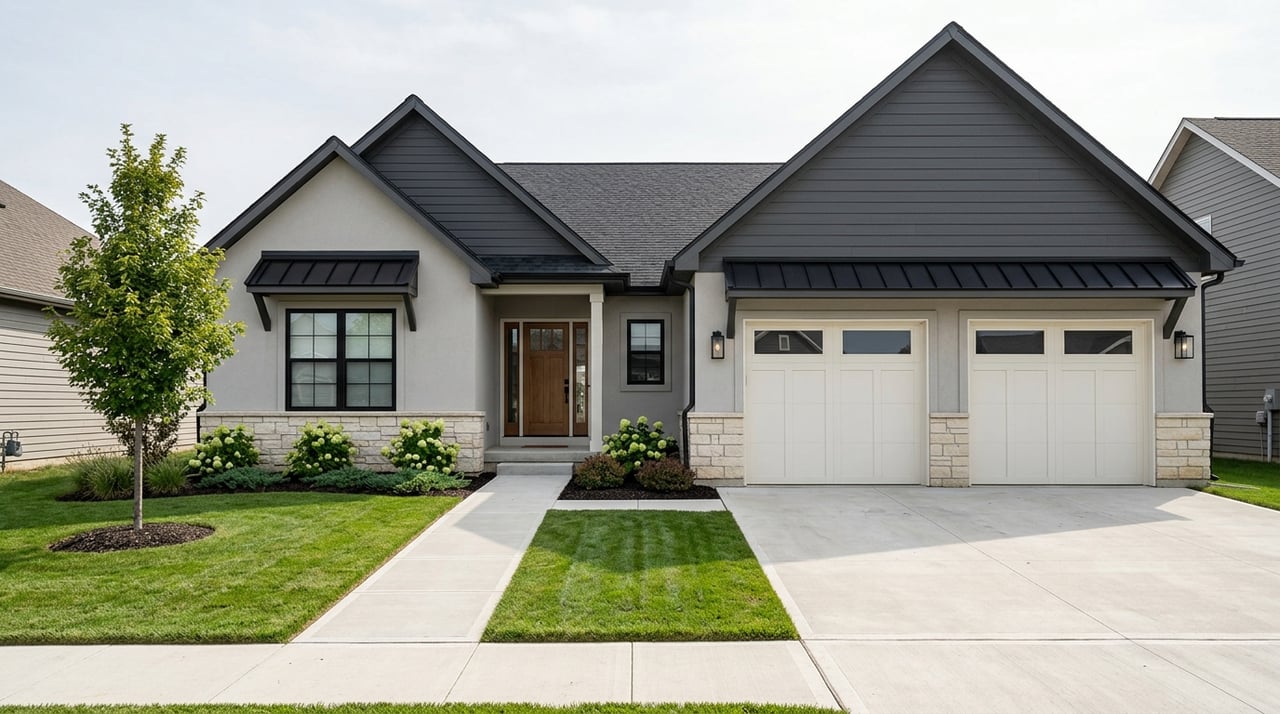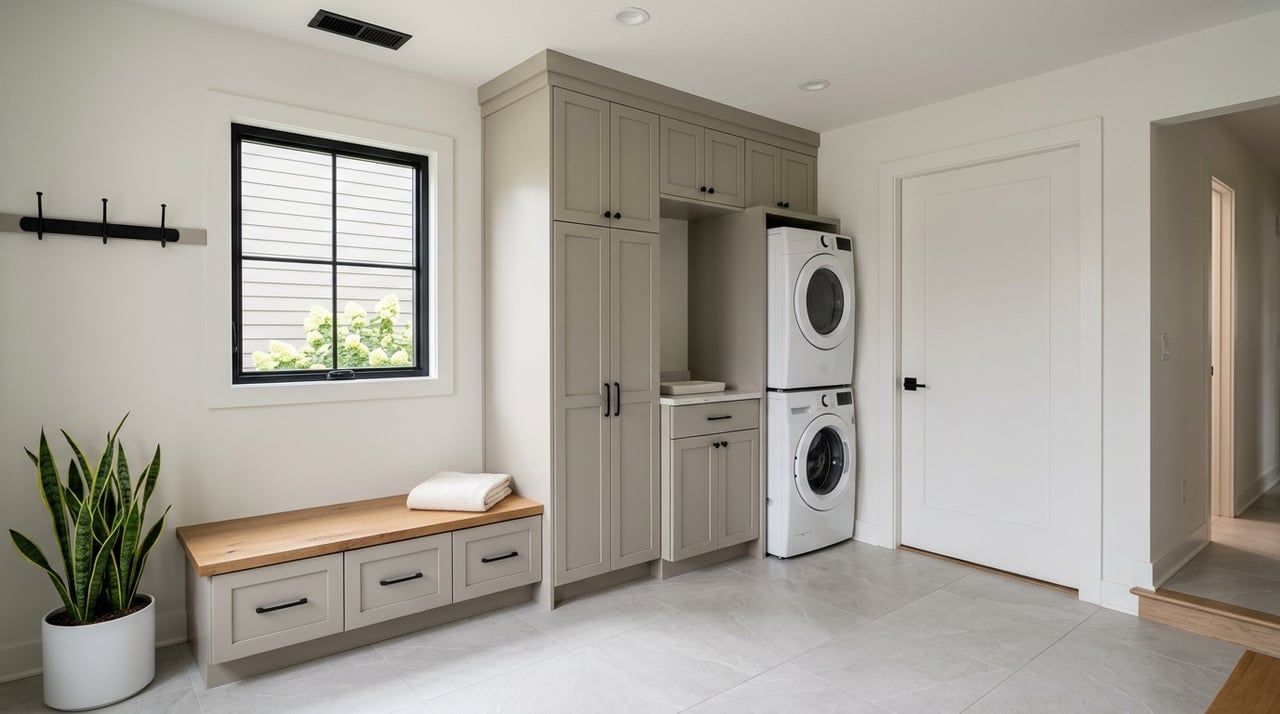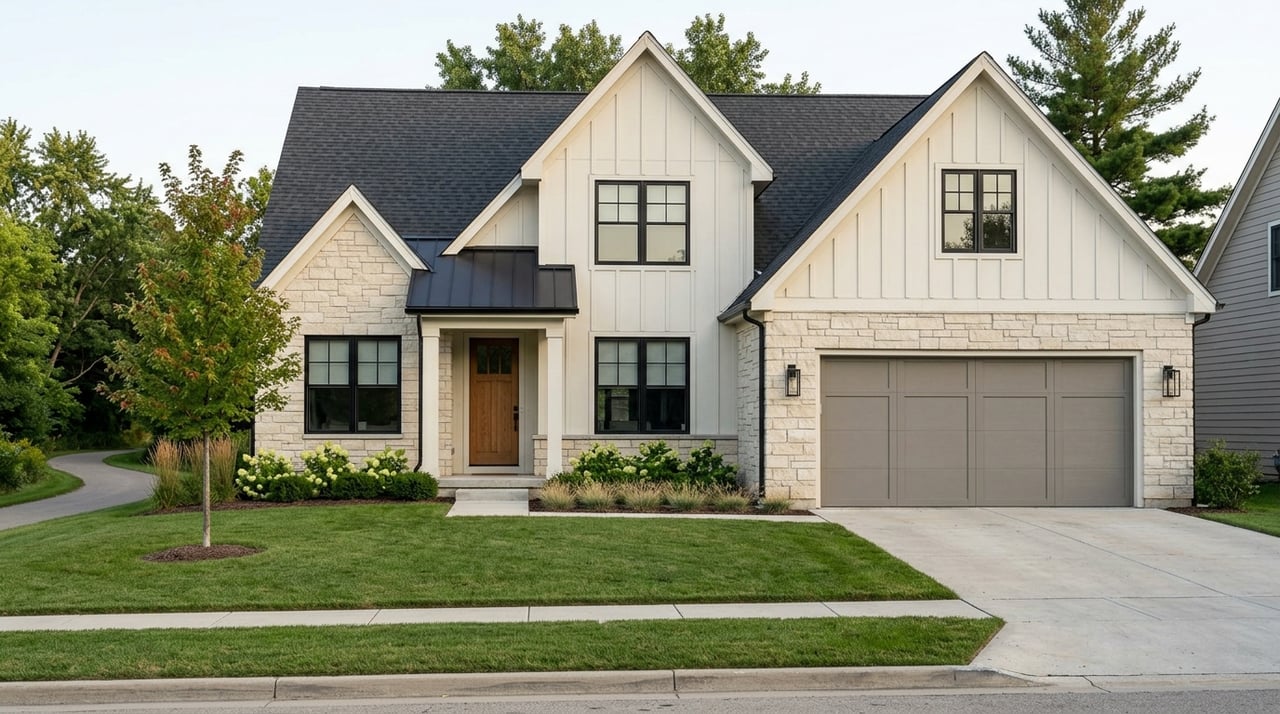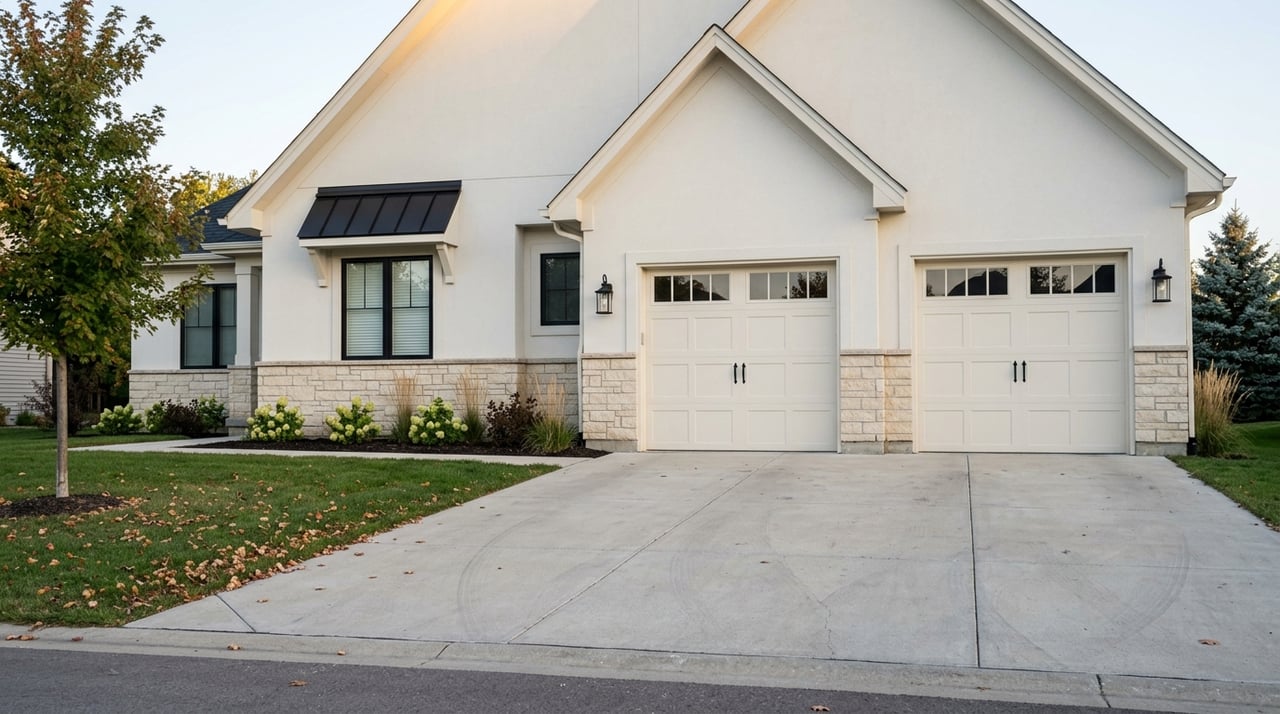
Wondering if your first rental property should be in Brooklyn Park? You are not alone. For many first-time investors, the biggest challenge is finding a market that feels practical, understandable, and full of real demand. The good news is that Brooklyn Park gives you a lot to work with, from attainable purchase prices to commuter-friendly location perks and a broad rental base. If you want to buy your first rental with more confidence and fewer surprises, this guide will walk you through the numbers, the local rules, and the biggest decisions to make before you buy. Let’s dive in.
Why Brooklyn Park stands out
Brooklyn Park offers a mix that many first-time rental buyers look for. It has a suburban housing profile, solid commuter access, and a range of rental property types that can fit different budgets and strategies.
Local data helps explain the appeal. The Census reports a median household income of $89,891, an owner-occupied housing rate of 70.3%, a median gross rent of $1,325, and an average commute time of 21.3 minutes. The city also notes about 30,000 jobs, 2,000 acres of parkland, and 120 miles of trails, all of which support steady day-to-day appeal for renters.
For a first-time investor, that matters because you are not just buying a house. You are buying into a location where people want practical access to work, transportation, and everyday amenities.
Brooklyn Park price and rent snapshot
If you are trying to figure out whether the numbers are even worth exploring, start with the big picture. Current acquisition pricing in Brooklyn Park sits in the mid-$300,000s, which can feel more approachable than many other parts of the metro.
Census QuickFacts shows a median owner-occupied value of $336,200. Realtor.com’s April 2026 market summary shows a median listing price of $325,000. That gives you a reasonable benchmark for what entry-level investment pricing may look like, even though specific homes can vary a lot by age, size, and condition.
On the rent side, the picture is broad. The citywide median gross rent is $1,325, while active asking rents point to higher pricing for larger homes. Current market examples for single-family rentals range roughly from the low-$2,000s to more than $3,000 per month, depending on size and finish level.
What rent ranges suggest
Official fair market rent data for the Minneapolis-St. Paul-Bloomington area puts a 2-bedroom at $1,685, a 3-bedroom at $2,244, and a 4-bedroom at $2,513. That does not mean every Brooklyn Park rental will lease at those exact numbers, but it gives you a grounded reference point.
For a first rental, a practical takeaway is this: if you are buying a single-family home in Brooklyn Park, you will often want to underwrite rents in the low-$2,000s to around $3,000 or more, depending on the property. That range lines up with local asking rents and the larger-home formats many investors target.
What property types make sense first
Brooklyn Park is not just a detached-house market. The city’s rental licensing materials recognize single-family homes, townhomes and condos, duplexes, and small apartments as common rental categories.
That said, single-family homes may feel like the most straightforward first step if you want simpler tenant expectations and a property type that matches Brisky Homes’ local focus. They can also align well with demand from renters who want more bedrooms, more privacy, or easier commuting options.
Townhomes or condos may offer a lower purchase price in some cases, but you need to watch for HOA dues and rental restrictions. Duplexes can create multiple income streams, but they may come with a steeper learning curve if this is your first time managing a rental.
A simple first-rental filter
Before you get attached to any property, ask a few basic questions:
- Does the likely rent support the monthly payment and operating costs?
- Is the layout practical for long-term renters?
- Will maintenance feel manageable for your budget and experience level?
- Does the property fit Brooklyn Park’s licensing and occupancy rules?
- If the home sits vacant for a month or needs repairs early on, can you still handle it?
If the answer to several of those questions is no, it may not be the right first deal.
How to run the numbers simply
You do not need a giant spreadsheet to make a smart first pass. You do need a realistic one.
A simple underwriting formula starts with gross scheduled rent. Then subtract vacancy or credit loss, property taxes, insurance, repairs, maintenance, management, HOA dues if they apply, any landlord-paid utilities, and debt service.
If the property only works because you assume perfect occupancy and almost no repairs, that is a red flag. A first rental should have enough margin to absorb normal bumps in the road.
Use gross rent yield as a quick screen
One fast way to compare opportunities is gross rent yield. Using a median rent of $2,200 and a median listing price of $325,000, Brooklyn Park shows a rough gross yield of about 8.1% before expenses.
This is not the final answer on whether a property is a good investment. It is just a screening tool. But it can help you sort through listings quickly and focus your time on homes that may have a better chance of working.
Don’t underestimate taxes and reserves
Many first-time investors focus heavily on the mortgage payment and expected rent. That is important, but it is not enough.
Property taxes deserve close attention in Brooklyn Park. The city explains that a tax bill includes city, county, school district, metro district, and other district levies. The city’s 2026 budget book estimates that a median-valued home will pay $1,776 per year in city property taxes alone, which means your full tax bill will be higher once all levies are included.
You also need reserves. Fannie Mae’s April 1, 2026 eligibility matrix shows that conventional investor financing may allow up to 85% loan-to-value on a one-unit investment purchase, which points to a 15% down payment in some cases. It also shows that several one-unit investment scenarios require 6 months of reserves depending on credit score and loan-to-value.
Why reserves matter so much
Reserves are what help you stay calm when real life shows up. A furnace issue, a missed payment, a turnover, or an insurance claim can all hit faster than expected.
For your first rental, cash on hand is not just a nice extra. It is part of the business plan.
Brooklyn Park rental rules to know
Local rules are a big part of buying your first rental in Brooklyn Park. If you skip this step, you can end up with a property that is harder to operate than you expected.
The city says a rental license is required for any single-family dwelling that is not owner-occupied. Rental licenses renew annually, and all rental properties are inspected at least once every two years.
Brooklyn Park also limits occupancy in a single-family rental to no more than 4 unrelated people. In addition, the city requires a Crime Free Housing seminar within one year of license issuance.
Short-term rentals are not allowed
If your first-rental plan involves Airbnb or Vrbo, Brooklyn Park is not the place to test that strategy. The city says short-term rentals are currently not allowed.
That means your plan should focus on longer-term rental use from day one. For many first-time investors, that can actually create a simpler and more stable setup.
Local operator rule for distant owners
There is another practical rule to know. If you do not live within 50 miles of the property, the city requires you to designate a local operator or agent.
That matters if you are buying from outside the area or if you expect to move farther away later. It is one more reason to have a clear management plan before you close.
What creates rental demand here
A good first rental is not just about what the house looks like. It is also about why renters choose the area.
Brooklyn Park benefits from strong regional access. The city highlights convenient connections to the Twin Cities metro area, with principal arterials including I-94, 169, 252, and 610, along with park-and-rides and a transit center that support local and express bus service.
That transportation network can support demand from renters who commute in different directions, not just toward one job center. Combined with local jobs, trails, parkland, and a wide range of housing options, it helps create a practical case for long-term rental demand.
A smart first-rental strategy
If you are buying your first rental in Brooklyn Park, simple usually beats clever. Look for a property with clear demand, straightforward maintenance, and enough financial cushion to handle a few surprises.
In many cases, that means a well-located 3- to 5-bedroom single-family home that can appeal to long-term renters looking for space and commuter convenience. It also means staying disciplined on your numbers and not stretching just because a listing looks attractive online.
Long-term return usually comes from four places: monthly cash flow, principal paydown, appreciation, and rent growth over time. Your goal on the first purchase is not perfection. It is buying a property with enough margin that it can still work if expenses run a bit higher or vacancy lasts a bit longer than planned.
Final thoughts on getting started
Your first rental in Brooklyn Park does not need to be flashy to be a good investment. It needs to be understandable, compliant, and financially sound.
If you focus on realistic rent assumptions, full operating costs, local licensing rules, and a property type you can manage with confidence, you put yourself in a much better position to build from your first deal instead of learning every lesson the hard way. And if you want help sorting through suburban investment-style homes in the north and northwest metro, Brisky Homes can help you evaluate options with a practical, local lens.
FAQs
What makes Brooklyn Park a practical place for a first rental property?
- Brooklyn Park offers mid-$300,000 purchase pricing, broad rental demand, strong commuter access, and a mix of property types that can work for first-time investors.
What rent should you expect for a first rental in Brooklyn Park?
- For many single-family rentals, a practical underwriting range is often in the low-$2,000s to around $3,000 or more, depending on size, condition, and location.
What property types can you rent out in Brooklyn Park?
- The city’s rental categories include single-family homes, townhomes or condos, duplexes, and small apartments.
What rental license rules apply to Brooklyn Park single-family homes?
- A single-family home that is not owner-occupied requires a rental license, renews annually, and is inspected at least once every two years.
What occupancy limit applies to Brooklyn Park single-family rentals?
- The city says no more than 4 unrelated people may live in a single-family rental home.
Can you use a Brooklyn Park property as a short-term rental?
- No. The city says short-term rentals such as Airbnb and Vrbo are currently not allowed.
How much down payment may you need for a Brooklyn Park investment property?
- Conventional one-unit investment financing may allow up to 85% loan-to-value in some cases, which points to a 15% down payment, though your exact terms depend on your financing profile.
What should you budget besides the mortgage for a Brooklyn Park rental?
- You should budget for vacancy, taxes, insurance, repairs, maintenance, management, HOA dues if any, utilities you pay as the landlord, and cash reserves.