Dreaming about lake life without giving up your commute? Buffalo is one of those places that keeps coming up for good reason. If you want more space, water views, and a lifestyle that feels like a getaway while staying connected to the Twin Cities, Buffalo deserves a closer look. Here’s what you should know before you start shopping.
Why Buffalo lake living stands out
Buffalo can work well if you want a lake-centered lifestyle with metro access. According to the City of Buffalo’s 2025 housing study, the city is about 35 miles from downtown Minneapolis and about 24 miles from I-494 in Plymouth. The same study says about 58% of Buffalo residents work outside Wright County, mostly in the Twin Cities metro.
That matters because Buffalo is not just a vacation-town idea. For many buyers, it is a place where everyday life, commuting, and lake access can all fit together. If you want a home that feels more relaxed without feeling isolated, Buffalo offers that mix.
What Buffalo Lake access looks like
One of the biggest advantages here is that Buffalo Lake is part of daily community life, not just something you drive to on weekends. Sturges Park on the east shore has 1,297 feet of lake frontage, plus a fishing pier, boat landing, trail connections, and event space used for concerts and Buffalo Days. The city also tracks Buffalo Lake water levels each year from Ice Out to Ice In.
Public access is another real selling point. The Minnesota DNR’s Wright County public water access map shows multiple access points for Buffalo Lake, including north, east, Highway 25, and south entries. In general, DNR public access sites are open 24 hours, though park-based access points may follow different local rules or fees.
What waterfront homes look like
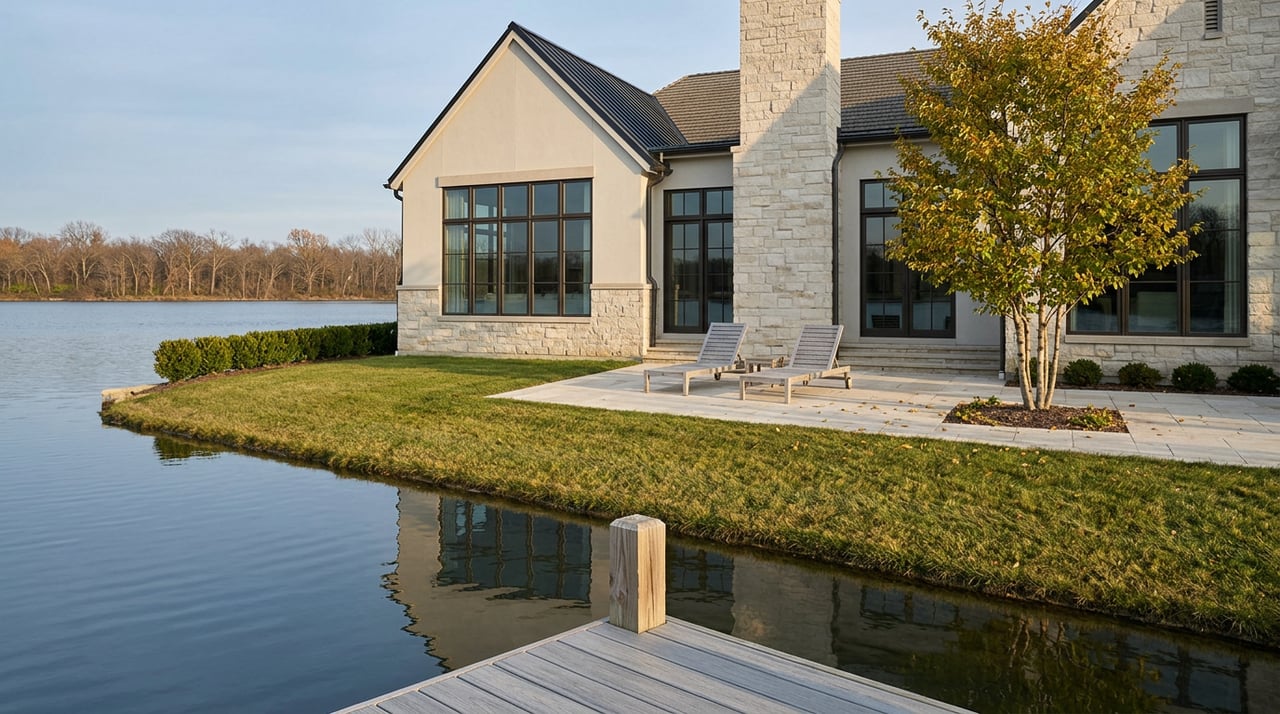
Buffalo’s shoreline market is not one-size-fits-all. Current listing snapshots show a range that includes older character homes, year-round family homes, remodeled waterfront properties, and some townhouse-style waterfront options. That gives you more than one way to buy into lake living.
In practical terms, you may find a home with historic details, a more updated mid-century property, a smaller cabin-style option, or an association-maintained unit. That variety can be helpful if you are balancing budget, maintenance, and how often you plan to use the property.
Look beyond the house itself
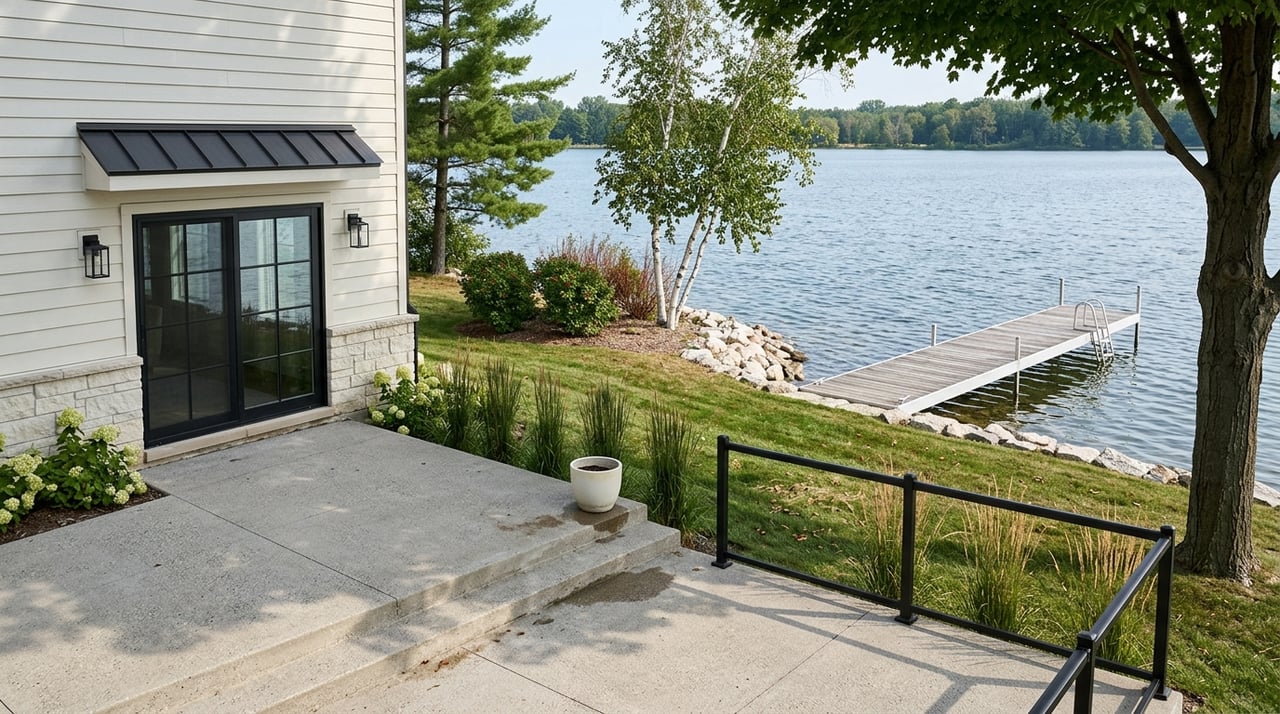
With lake properties, the shoreline can be just as important as the home. Recent listings in the Buffalo area highlight features like sandy lakeshore, included docks and boat lifts, and updated retaining walls, patios, and dock areas. Those details can have a big impact on how usable the property feels.
As you compare homes, pay attention to shoreline stability, lot slope, water access, and whether outdoor improvements are already done or still need work. Two homes with similar square footage can feel very different if one has easy access to the water and the other needs major shoreline updates.
Expect a strong seasonal lifestyle
Lake living in Buffalo changes with the seasons, and that is part of the appeal. In warmer months, Sturges Park offers a beach, boat landing, and pier on Buffalo Lake. Griffing Park on Lake Pulaski adds a public launch, beach, fishing pier, boat rentals, and paddle-sport rentals from June through Labor Day.
Winter still keeps the outdoor lifestyle going. The city floods some parks for skating, and the civic center offers indoor and outdoor ice. If you like the idea of a home that supports recreation all year, Buffalo has that rhythm built in.
Water quality should be part of your search
This is one area where buyers should slow down and ask questions. Buffalo’s 2040 community plan says Buffalo Lake is high in phosphorus and has experienced algae blooms and poor water quality. The city also confirmed starry stonewort in Buffalo Lake in October 2025.
Before you write an offer on a lake property, review current lake information through Minnesota DNR LakeFinder. Buyers can use it to check lake surveys, depth maps, water-quality data, water clarity, fish guidance, and notes on aquatic invasive species. A great-looking shoreline is important, but knowing the lake’s current condition is just as important.
How pricing can vary on the water
Waterfront pricing in Buffalo has a wide range. Current public listings run from the low $300,000s for an older Buffalo Lake home to the mid $300,000s for a year-round Lake Pulaski home, then up into the $500,000s, $700,000s, and $800,000s for larger or more updated waterfront properties.
That spread tells you something important. Price is not just about being on the water. Frontage, lot size, home condition, access, and whether the property functions as a full-time residence or a smaller seasonal-style home can all move value quickly.
Low inventory makes details matter
Inventory can be limited enough that small differences have a big effect. A current Realtor.com search showed 20 waterfront homes in Buffalo and only 3 waterfront homes in Buffalo Lake specifically. When options are tight, buyers often need to move quickly and compare carefully.
That means details like shoreline quality, updates, included equipment, and access points can shape both demand and price. In a smaller waterfront pool, even one feature like a better lot or easier launch access can make a home stand out.
Property taxes and classification matter
Lake buyers should plan for more than just the purchase price. Wright County says property assessments are based on a property’s condition and use as of January 2. The Minnesota Department of Revenue says taxes are driven by estimated market value and classification.
Homestead status may qualify a property for reduced taxes or related programs. Noncommercial seasonal cabins are class 4c(12), with a 1.00% class rate up to $500,000 and 1.25% above that. One Buffalo Lake listing showed annual taxes of $3,488 on an assessed value of $290,000, which helps illustrate how taxes can track both value and classification.
Shoreland rules can shape your plans
If you are buying for future improvements, you need to understand shoreland rules early. Buffalo Lake and Lake Pulaski are classified as general development lakes. Setbacks are 50 feet when sewered and 75 feet when unsewered.
The city’s shoreland overlay extends 1,000 feet from the ordinary high-water level. In most residential shoreland zones, impervious surface is capped at 25%. The city also encourages phosphorus-free fertilizer and preserving native vegetation.
Work near the water has added layers too. Any work below the ordinary high-water level needs DNR review, and boathouses and boat-storage structures are generally prohibited on public waters except for limited historic or commercial exceptions. If you are picturing additions, retaining walls, or major outdoor changes, confirm what is allowed before you commit.
Smart questions to ask before you buy
A waterfront showing should come with more questions than a standard home tour. Here are some of the most important ones to ask:
- Is the property on sewer or septic?
- Does that change the shoreline setback or building envelope?
- Is the lot in the shoreland overlay or a bluff impact zone?
- Are there limits on fill, grading, retaining walls, or vegetation removal?
- Is the dock or lift included in the sale?
- Who handles winter storage for the dock or lift?
- Is any structure located below the ordinary high-water level?
- What is the recent water-quality history for the lake?
- Have there been algae blooms, invasive species, or treatment efforts nearby?
- Are there any association dues tied to shared access, beaches, or launches?
These questions can help you avoid surprises and compare properties more clearly. They can also help you figure out whether a home fits the lifestyle you want now, not just the photos you like online.
How to approach a Buffalo lake home search
The right Buffalo lake property depends on what matters most to you. Some buyers want everyday lake views and public access nearby. Others want a year-round home with space, a dock setup, and fewer future projects.
A smart search starts by narrowing your priorities. Think about commute needs, your budget for shoreline upkeep, how much recreation access matters, and whether you want a move-in-ready property or one with upside. In a market with limited waterfront options, that clarity can help you act faster and make better decisions.
If you are curious about Buffalo lake living or want help comparing waterfront options in Buffalo and nearby communities, Brisky Homes can help you sort through the details and find the right fit for your goals.
FAQs
What makes Buffalo lake living appealing for Twin Cities buyers?
- Buffalo offers a lake-focused lifestyle while staying within a workable distance of the metro, with the City of Buffalo reporting it is about 35 miles from downtown Minneapolis and about 24 miles from I-494 in Plymouth.
What public lake access is available in Buffalo?
- Buffalo Lake has multiple public access points shown on the Minnesota DNR Wright County access map, and Sturges Park adds lake frontage, a fishing pier, a boat landing, and trail connections.
What types of waterfront homes can buyers find in Buffalo?
- Current listing snapshots suggest buyers may find older character homes, year-round homes, remodeled waterfront properties, smaller cabin-style options, and some townhouse-style waterfront units.
What should buyers check about Buffalo Lake water quality?
- Buyers should review current lake data such as water clarity, lake surveys, invasive species notes, and water-quality history because Buffalo Lake has documented phosphorus issues, algae blooms, and confirmed starry stonewort.
How do shoreland rules affect Buffalo waterfront homes?
- Shoreland rules can affect setbacks, impervious surface limits, vegetation removal, and waterfront improvements, so buyers should confirm what is allowed before planning changes to the property.
How do property taxes work for Buffalo lake homes?
- Taxes are based on estimated market value and property classification, and homestead status or seasonal-cabin classification may affect the final tax amount.