Thinking about buying your first home in Coon Rapids but not sure where to start? You are not alone. Between pricing, loan choices, inspections, and commute questions, the path can feel crowded. This guide gives you a clear, local roadmap so you can shop with confidence, write a strong offer, and move in with fewer surprises. Let’s dive in.
Coon Rapids prices and options
Recent sources place Coon Rapids median home prices in the low to mid $300Ks, with a market that is competitive but not chaotic. Days on market often run several weeks, which gives you time to tour and think, as long as you have pre-approval ready. Entry-level detached homes are common here, with variability by neighborhood and condition.
Here is a quick, real-world view of what you might see:
- Low $200Ks: Smaller or older detached homes, some 2-bedroom layouts, or homes needing updates. Good for handy buyers or those open to phased improvements.
- $250K to $300K: Modest 3-bedroom ramblers or split-levels with basic updates. Yard sizes and garages vary.
- $300K to $350K: Typical 3-bedroom starter in many areas, often with updated kitchens or baths. Plenty of split-level and two-story homes in this range.
- Above $350K: Larger two-stories, newer subdivisions, or homes with more recent renovations and extra space.
Neighborhood medians vary. Some areas trend under $300K, while others trend higher. Plan your search in a couple of price bands so you can compare value across locations and conditions.
Home styles you will see
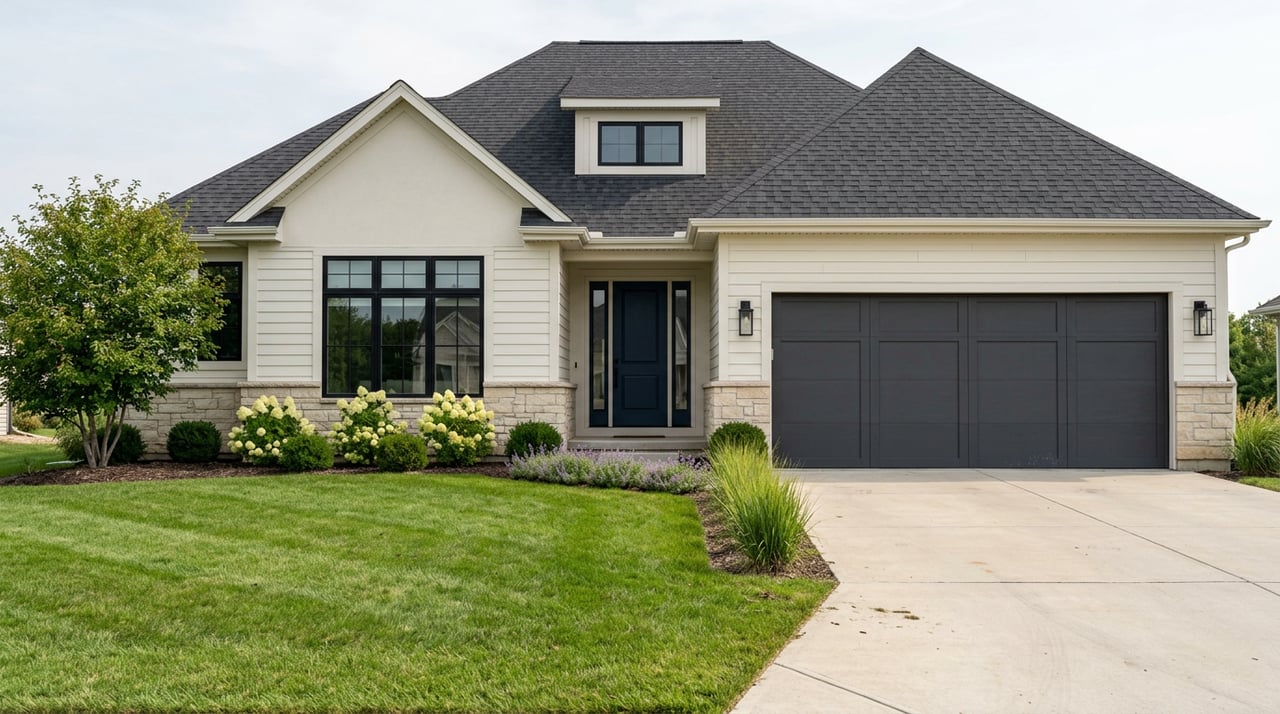
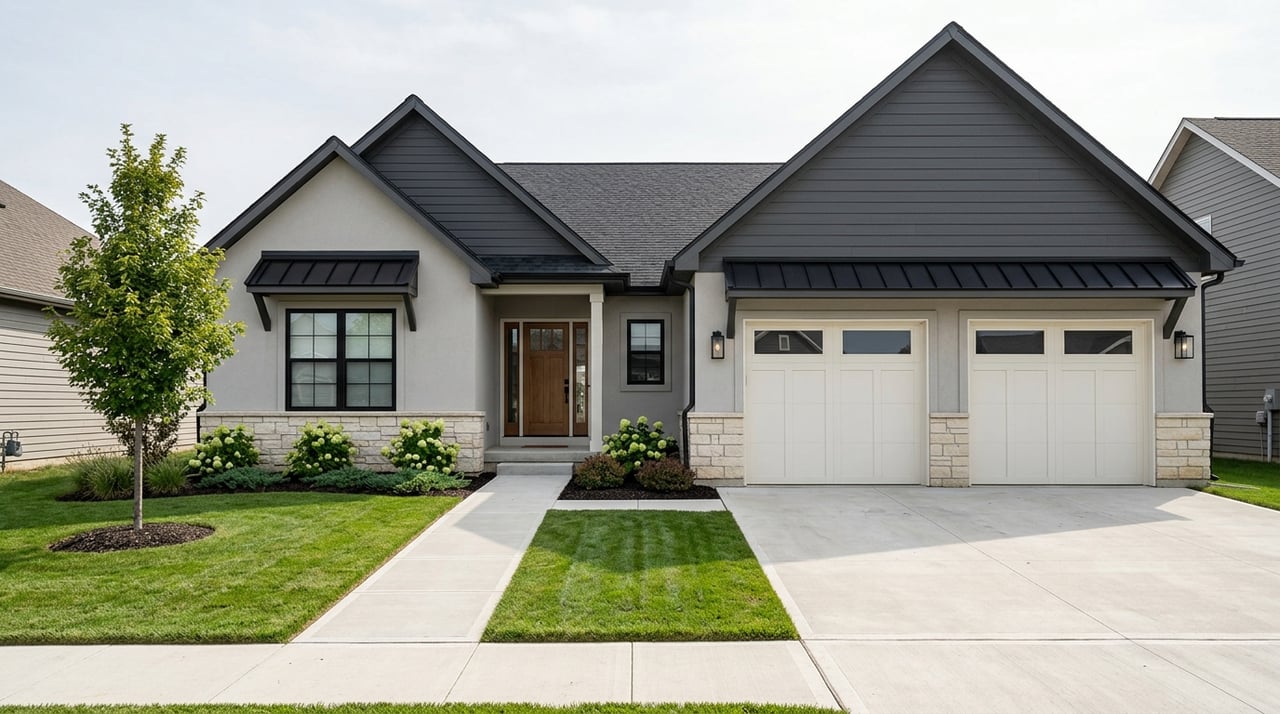
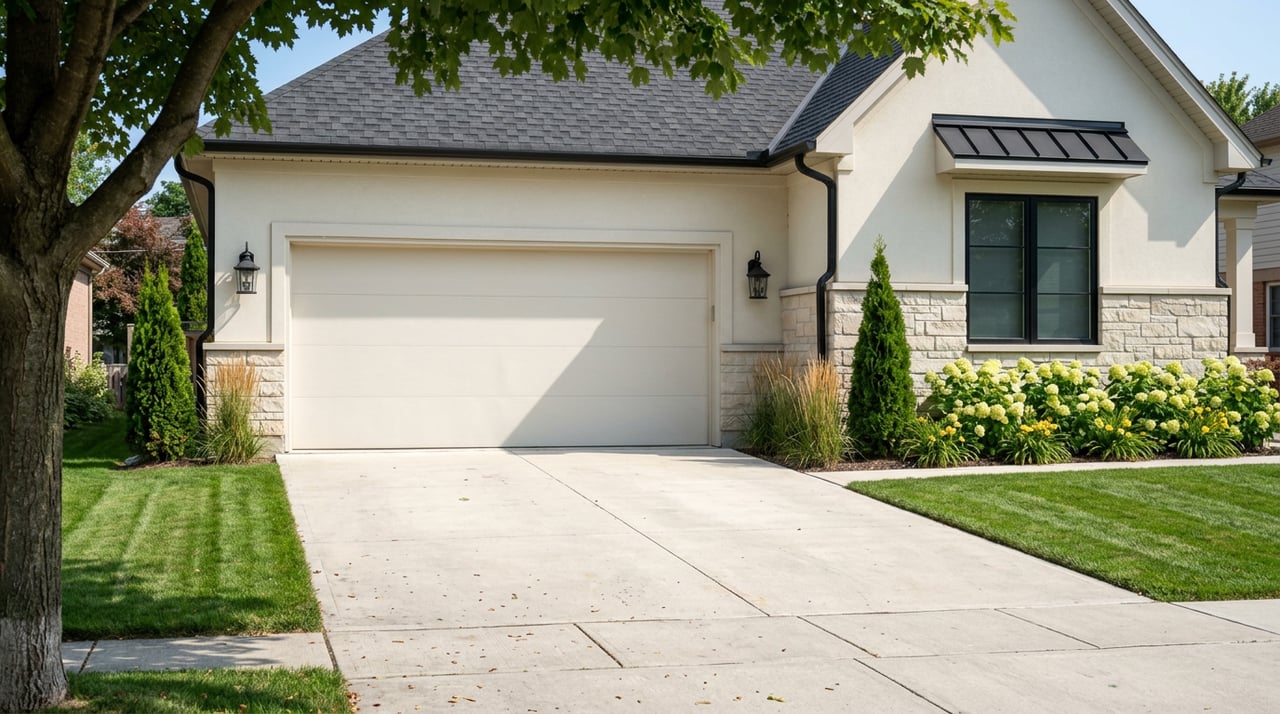
Coon Rapids has a suburban mix with a median year built around the early 1980s. You will see lots of ramblers, split-levels, and conventional two-stories. Many homes reflect mid-century through 1990s construction, along with pockets of newer infill.
What to expect by type:
- Ranch or rambler: Often single-level living or main-floor bedrooms. Check furnace, water heater, windows, and insulation to budget for efficiency upgrades.
- Split-level: Common in the suburbs. These offer flexible living zones and attached garages. Verify roof age and drainage since snow and ice can stress exteriors.
- Two-story and newer builds: More modern kitchens and bath layouts, plus larger footprints. Taxes or HOA fees may be higher. Landscaping could be younger and need attention.
- Townhomes and condos: Usually a lower upfront price, but HOA dues add to monthly costs. Even if you prefer detached, keep townhomes in mind as a payment-friendly alternative.
Commute and daily life
As of January 5, 2026, Metro Transit increased high-frequency bus service along the Northstar corridor. Route 888 now serves key Northstar stops, including Coon Rapids/Riverdale, with more flexible trip options. If transit matters to you, check the current timetables and stop locations for your work hours on the official Northstar page from Metro Transit.
Station areas like Fridley, Coon Rapids/Riverdale, Anoka, Ramsey, Elk River, and Big Lake remain important transfer and park-and-ride hubs. Review station context on Anoka County’s Northstar page and then map your route to a specific stop. If you drive, explore commute times to major job centers and your typical errands.
Local employers add convenience if you can live nearby. Major hubs include Allina Health’s Mercy Hospital, RMS, Anoka-Ramsey Community College, and the Riverdale retail and distribution area. You can learn more about the business base on the city’s Community Profile. Proximity to work, parks, and daily needs can help narrow your search quickly.
Financing basics for first-time buyers
Getting pre-approved early does more than set your budget. It strengthens your offer and helps you act fast when the right home hits the market. In Minnesota, first-time buyers often use Minnesota Housing Finance Agency products and down payment help.
- Minnesota Housing Start Up program: For eligible first-time buyers, Start Up pairs a mortgage with down payment and closing-cost loans. Assistance amounts often run roughly $14K to $18K depending on the product and your eligibility. You must work with a Minnesota Housing approved lender and complete required homebuyer education. Start your lender search on the Minnesota Housing participating lenders page.
- FHA loan: Common 3.5 percent minimum down payment with flexible credit guidelines. Mortgage insurance applies. See an overview of Minnesota options in this Bankrate guide.
- VA loan: Eligible service members and veterans may qualify for 0 percent down with no PMI. Learn more about eligibility from the U.S. Department of Veterans Affairs.
- Conventional 3 percent: Low-down conventional products exist. Many buyers pair these with Minnesota Housing down payment assistance to reduce upfront cash.
Action steps to take now:
- Connect with a Minnesota Housing approved lender to confirm your target price, monthly payment, and program eligibility.
- Compare FHA, VA if eligible, and conventional 3 percent options. Ask how PMI and interest rates affect monthly cost.
- Complete your homebuyer education early if you plan to use state assistance.
- Keep reserves for appraisal gaps, inspection repairs, or moving costs.
Inspection checklist for Coon Rapids buyers
Inspections protect you from surprise costs and help you plan improvements after closing. In Minnesota, radon awareness and winter-related exterior wear are standard items to review. Build the following checks into your offer plan.
- Radon testing: Minnesota requires a radon disclosure in most home sales and strongly recommends testing. Add a licensed radon test to your inspection window. Read state guidance from the Minnesota Department of Health.
- Roofs, gutters, and ice dams: Climate stress can cause shingle wear, flashing issues, and gutter problems. These show up frequently on inspection reports. See common findings by state in this inspection summary.
- Basements and drainage: Look for signs of past water, test the sump pump, and examine exterior grading. River corridor areas and flat lots benefit from careful drainage management. Local water and drainage tips are available at Know the Flow.
- Electrical and mechanicals: Older panels and wiring, aging furnaces and water heaters, and drafty windows are regular findings. Ask for ages, service records, and warranties.
- Exterior wood and insulation: Freeze-thaw cycles can accelerate rot. Attic insulation and air sealing also affect comfort and bills.
Tip: Price the home and your offer with a realistic repair plan. Not every issue is a deal breaker, but surprises can strain your budget.
How offers work in Coon Rapids
A clear, confident offer helps you stand out without giving up key protections. In a market that is competitive, aim for clean terms and on-time deadlines.
- Pre-approval: Submit your pre-approval letter with your offer. This shows financial strength and can speed up seller decisions.
- Earnest money: In Minnesota, earnest money often ranges from about 1 to 3 percent of the purchase price, though some listings accept a flat amount. Your deposit is governed by the Minnesota Residential Purchase Agreement and contract deadlines. Learn how timing and contingencies affect your deposit in this earnest money explainer.
- Contingencies and timelines: Typical protections include inspection, financing, appraisal, and title. In a moderately competitive setting, you can keep inspection protections while tightening timelines or limiting minor repair requests.
- Appraisal planning: If prices have climbed in a micro-area, discuss whether to plan for a small appraisal gap or keep the right to renegotiate.
Your 7-step starting plan
Use this simple plan to move from idea to keys in hand.
- Define your comfort payment and savings buffer. Consider taxes, insurance, utilities, and HOA if any.
- Get pre-approved with a Minnesota Housing approved lender. Ask about Start Up and down payment assistance.
- Tour in two price bands. Compare $250K to $300K homes against $300K to $350K to see how space, updates, and locations differ.
- Map your commute. Check Northstar Route 888 frequency and park-and-ride access from the Metro Transit Northstar page.
- Shortlist home styles. Decide if you prefer a low-maintenance rambler, flexible split-level, or larger two-story.
- Line up your inspector and plan a radon test. Budget for priority fixes first.
- Write a clean offer with protected timelines. Confirm earnest money amount and delivery dates up front.
Ready to explore Coon Rapids?
If you are ready for a simple, local plan to buy your first Coon Rapids home, we can help. Our team pairs neighborhood knowledge with creative solutions like Contract for Deed when traditional financing is not a fit. We also give back through our Closings for a Cause program, so your move supports the community too. Reach out to Brisky Homes to start a friendly, no-pressure conversation about your goals.
FAQs
What is a realistic first-time buyer budget in Coon Rapids in 2026?
- Many first-time buyers target the $250K to $350K range for detached homes, with some options below and above that, depending on size, updates, and neighborhood.
How does the Northstar service change affect Coon Rapids commuters?
- As of January 5, 2026, higher-frequency bus service on Route 888 serves the Northstar corridor and Coon Rapids/Riverdale stop, which can improve flexibility for many riders.
Which home styles are most common and what upkeep should I expect?
- You will see many ramblers, split-levels, and two-stories from the 1970s to 1990s. Plan to check roofs, mechanicals, windows, and drainage, and include a radon test.
What down payment help is available for Minnesota first-time buyers?
- Minnesota Housing’s Start Up program offers mortgages paired with down payment and closing-cost loans for eligible buyers, plus FHA, VA, and conventional 3 percent options.
How much earnest money do Minnesota sellers expect and when is it due?
- Earnest money often runs about 1 to 3 percent of the price and is due per the contract timeline. Your rights depend on inspection and financing contingency windows.