Selling a home in St. Michael can feel simple on the surface, especially in a market where well-prepared homes can move in a matter of weeks. But that does not mean you can just list it as-is and hope for the best. If you want strong buyer interest, cleaner offers, and fewer surprises, a smart prep plan matters from day one. Let’s dive in.
Why prep matters in St. Michael
St. Michael is a growing Wright County community with an estimated 22,498 residents in 2025 and a 90.1% owner-occupied housing rate. The city is known for its small-town feel along I-94, with a housing mix that is predominantly single-family detached homes. That means many buyers shopping here are comparing homes that look similar on paper, so presentation can make a real difference.
Current market snapshots point to an active market, but not one where sellers can ignore details. Recent reports show median sale prices in the mid-$400,000s, with homes often going pending in a few weeks and sale-to-list ratios around 100%. In a market like that, the homes that look polished and feel move-in ready tend to stand out early.
Start with clutter and personal items
If you only do one thing before listing, start here. Decluttering helps buyers focus on the home itself instead of your daily life, and staging research shows many buyers find it easier to picture themselves in a home when it is staged or simplified.
Go room by room and remove anything that makes the space feel crowded, overly personal, or smaller than it is. Think extra furniture, overflowing shelves, piles of shoes, visible cords, countertop appliances, and large collections. The goal is not to make your home feel empty. It is to make it feel open, clean, and easy to imagine living in.
A few easy places to begin include:
- Entryway tables and shoe piles
- Kitchen counters
- Bathroom counters
- Kids’ toys in main living spaces
- Family photos and personalized wall art
- Closets stuffed past capacity
- Garage corners full of overflow storage
Focus on the rooms buyers notice first
Not every room needs the same level of attention. Staging research points to the living room, primary bedroom, dining room, and kitchen as the spaces that matter most to buyers.
For most St. Michael homes, that means your first effort should go into the main living spaces. Make the living room feel bright and comfortable, the kitchen feel clear and functional, and the primary bedroom feel calm and roomy. Secondary bedrooms, bonus rooms, and storage spaces still matter, but they usually come after the high-visibility areas are ready.
Living room priorities
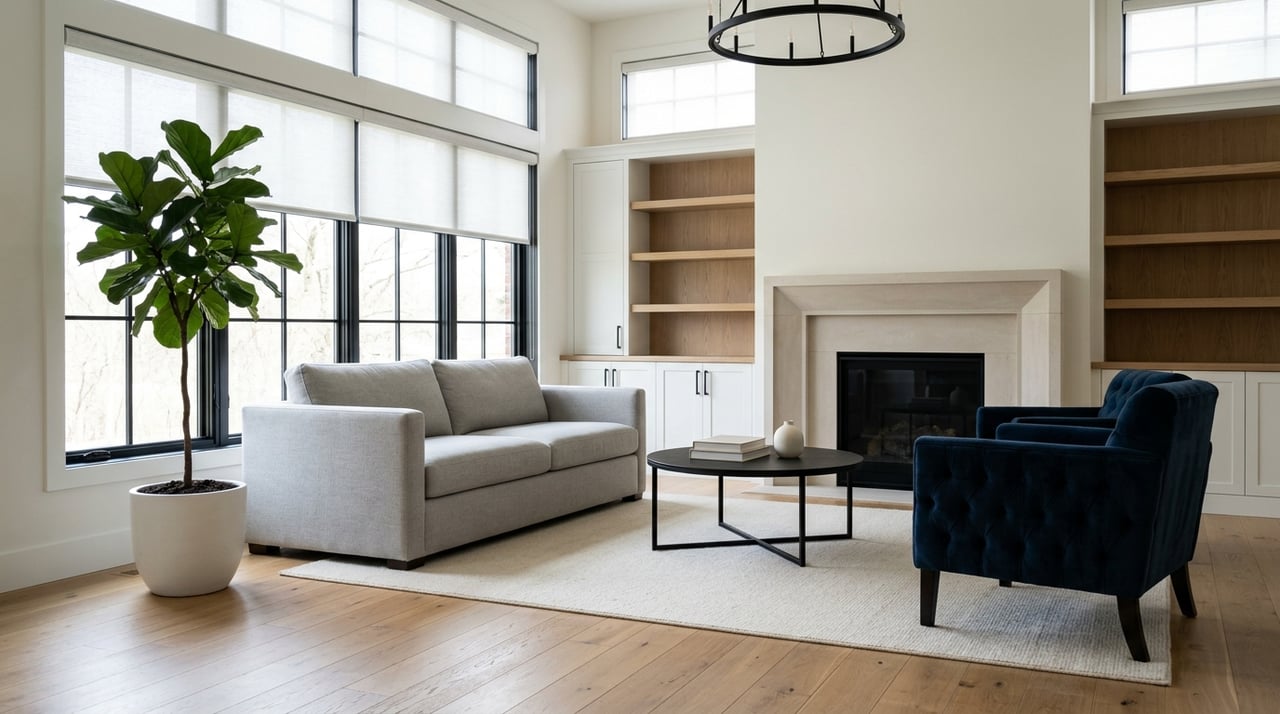
The living room is often the first place buyers mentally judge whether a home feels welcoming. Pull back bulky furniture if the room feels tight, remove extra decor, and create clear walking paths.
Use simple styling that helps the room feel bright and spacious. Open blinds, add lamps if needed, and keep surfaces mostly clear. Good lighting helps in person and in listing photos.
Kitchen priorities
Your kitchen does not need a full remodel to make a strong impression. In most cases, a deep clean, clear counters, and a few small updates go a long way.
Put away rarely used appliances, wipe down cabinet fronts, and remove magnets or papers from the refrigerator. If a faucet drips, a drawer sticks, or a light is burned out, fix it now. Small issues can build up quickly in a buyer’s mind.
Primary bedroom priorities
The primary bedroom should feel restful, simple, and spacious. Use neutral bedding if possible, reduce furniture to the essentials, and clear off dressers and nightstands.
If your closet is packed, edit it down before showings. Buyers notice storage, and a stuffed closet can make the whole home feel short on space.
Tackle minor repairs before listing
For most St. Michael sellers, minor fixes are a better use of time and money than a major remodel. In a typical price range around the mid-$400,000s, cosmetic polish usually delivers more practical value than taking on a large luxury project right before listing.
Walk through your home like a buyer would. Look for the little things that signal deferred maintenance, even if they are inexpensive to fix.
Common pre-listing fixes include:
- Dripping faucets
- Loose handles or knobs
- Squeaky or creaky doors
- Burned-out light bulbs
- Scuffed paint
- Dirty grout or caulk
- Torn screens
- Loose stair railings
- Sticky windows or doors
These are the details buyers may not mention out loud, but they still notice them. A home that feels cared for tends to inspire more confidence.
Refresh paint and lighting
Two of the most affordable ways to improve your home’s appeal are paint touch-ups and better lighting. Fresh, clean walls help a home feel maintained, and brighter rooms almost always show better.
You do not need to repaint every room unless the color is bold, heavily worn, or highly specific to your taste. In many cases, touching up scuffs and covering problem spots is enough. Then make sure every light fixture works, use matching bulbs where possible, and turn on all lights for photos and showings.
Boost curb appeal before photos
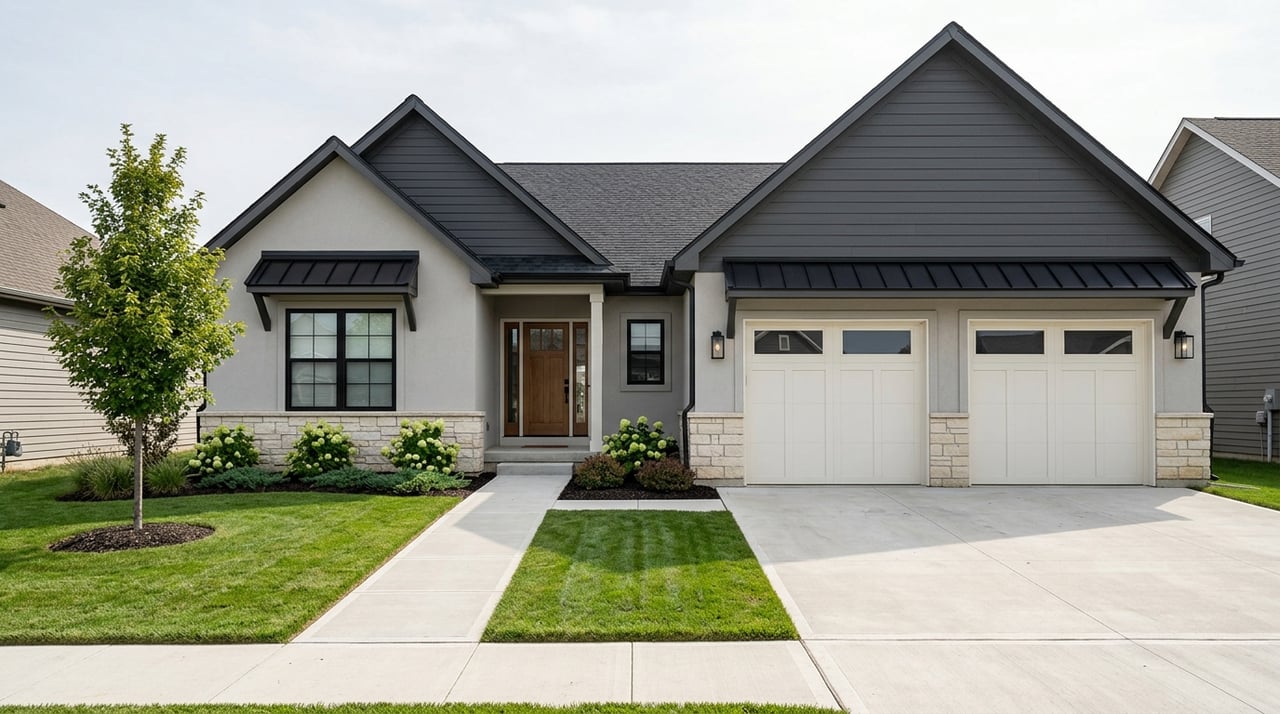
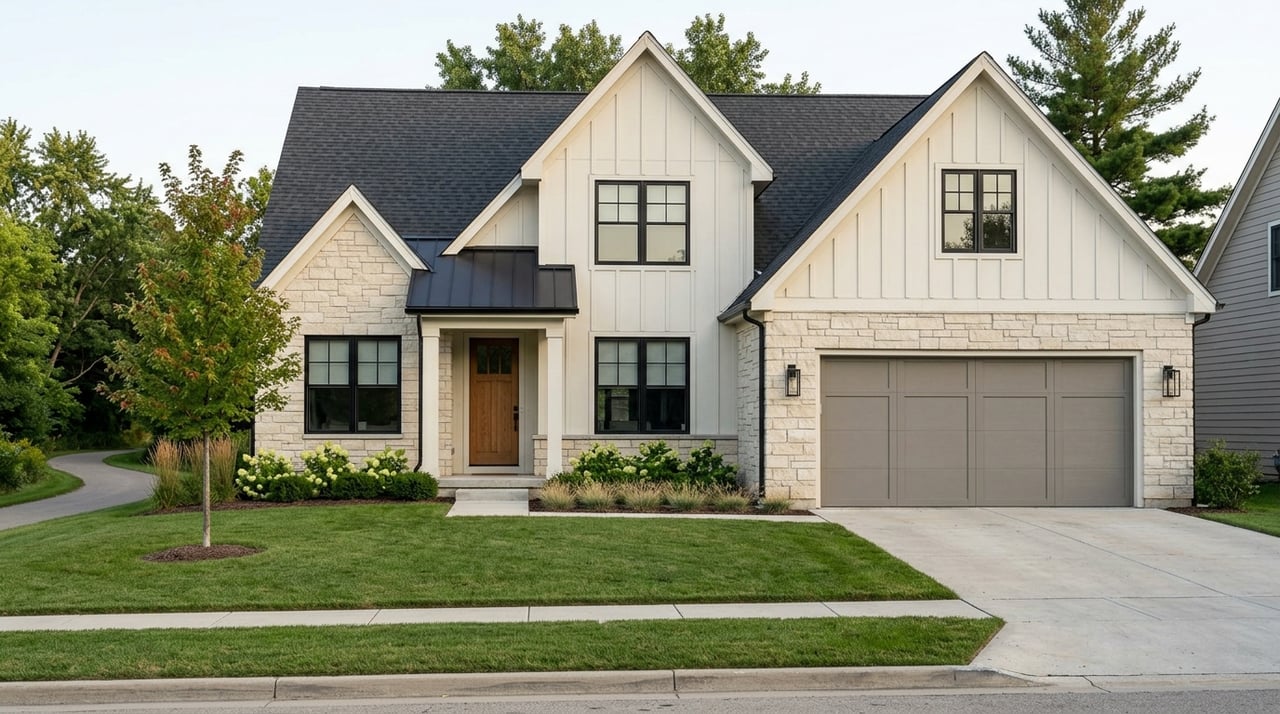
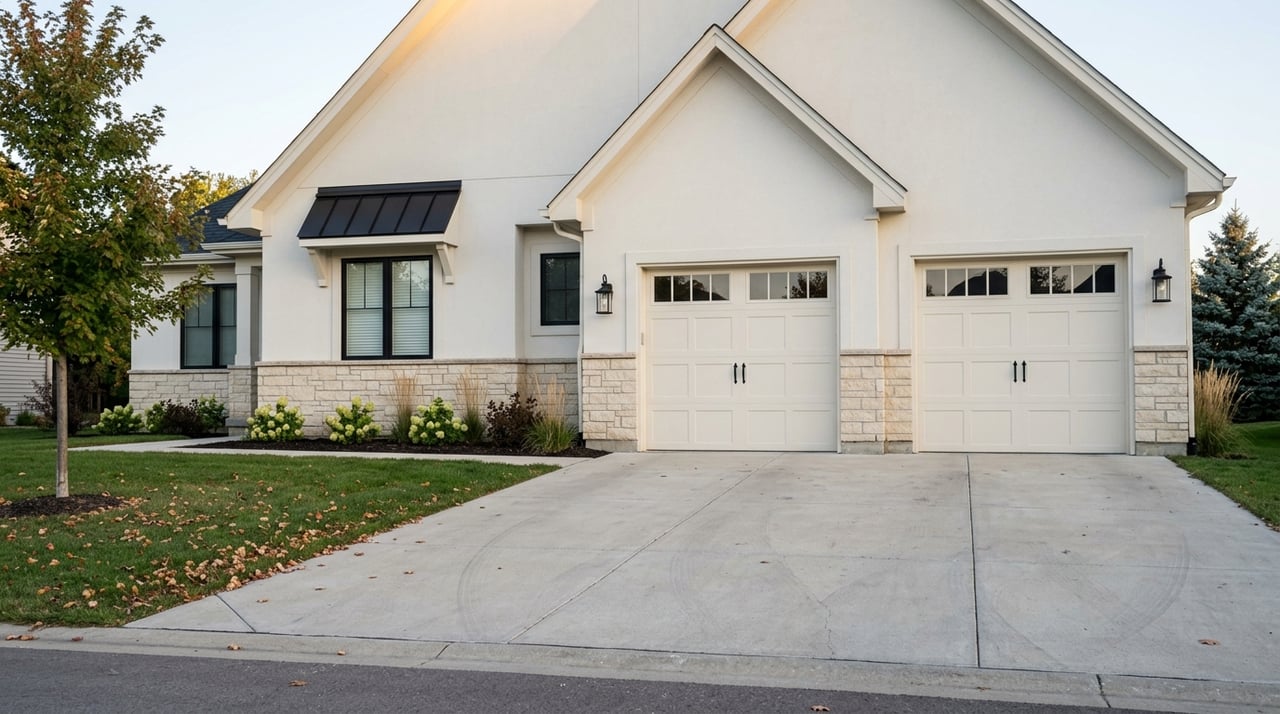
First impressions often happen online, but they still start from the outside. Curb appeal matters because buyers usually see the front of your home first in photos, then again from the street or driveway.
Industry research shows curb appeal improvements are one of the most commonly recommended pre-listing steps. For a suburban St. Michael home, simple cleanup usually has the biggest impact.
Focus on these outdoor basics:
- Mow and edge the lawn
- Trim shrubs and trees
- Refresh mulch if needed
- Sweep the porch and front walk
- Remove dead plants or weeds
- Clear toys, tools, and hoses
- Clean the front door and nearby glass
- Keep the entry uncluttered
You are not trying to create a magazine set. You are trying to make buyers feel good before they even step inside.
Get photo-ready before the photographer arrives
In today’s market, listing photos, video, and virtual tours carry a lot of weight. That means your home should be fully ready before media day, not halfway there.
A photo-ready home usually looks a little simpler than a lived-in home. Clear counters, hide trash cans and bins when possible, straighten rugs, tuck away cords, and open all blinds. The camera picks up clutter, shadows, and distractions more than you might expect.
Here is a simple photo-day checklist:
- Turn on every interior light
- Open blinds and curtains
- Remove countertop clutter
- Hide pet items if possible
- Put away laundry baskets
- Make every bed neatly
- Close toilet lids
- Clear cars from the driveway if requested
Because homes in St. Michael can move quickly, the first week matters. Strong visuals help your listing make the right first impression right away.
Plan for a realistic prep timeline
Most occupied St. Michael homes do not need months of preparation. A practical planning window is often about two to four weeks, depending on condition, schedule, and how much decluttering you need to do.
A simple timeline might look like this:
| Timeframe | Main focus |
|---|---|
| Days 1-4 | Declutter, donate, and deep clean |
| Week 1-2 | Minor repairs and paint touch-ups |
| Week 2-3 | Yard cleanup and final room edits |
| Final 1-2 days | Staging, photography, and last details |
The key is to do the right work in the right order. Clean and declutter first, fix visible issues second, then finish with staging and marketing prep.
Do not overlook Minnesota disclosures
Getting ready to sell is not only about looks. It is also about identifying known property issues early so you can handle them clearly and in good faith.
Minnesota law requires sellers to provide a written disclosure before signing an agreement to sell or transfer residential real property. That disclosure must include material facts you know that could adversely and significantly affect an ordinary buyer’s use and enjoyment of the property or the intended use of the property.
During your prep period, take time to think through any known concerns with the property. If something is reasonable to fix, it may make sense to address it before listing. If it is not fixed, clear documentation matters.
Common disclosure items to review
Depending on the property, Minnesota sellers may also need to address specific disclosure items. These can include radon knowledge, wells, and lead-based paint requirements for homes built before 1978.
A few examples to review before listing:
- Known radon information or prior testing results
- Known wells, including status and location
- Known material defects affecting use or enjoyment
- Lead-based paint disclosures for homes built before 1978
Pre-listing prep should never hide a real issue. The better approach is to make the home look its best while also being honest and organized about what you know.
Invest where buyers will notice
You do not need to spend a fortune to get your St. Michael home market-ready. In many cases, the best return comes from practical improvements buyers can see right away: decluttering, cleaning, minor repairs, light staging, and strong photography.
Professional staging services can involve added cost, but even simple staging guidance can make a big difference. If you are deciding where to put your time and money, start with the basics that improve space, light, and first impressions.
A smart sale starts before day one
In a market like St. Michael, buyers move fast when a home feels clean, bright, and well cared for. Preparing your home before it hits the market can help you attract stronger attention, reduce avoidable objections, and create momentum during those important first days.
If you are thinking about selling, the best next step is to build a prep plan that fits your timeline, budget, and home condition. For guidance on pricing, presentation, staging strategy, and listing marketing, connect with Brisky Homes.
FAQs
What should I fix before selling a home in St. Michael?
- Focus first on visible minor repairs like dripping faucets, scuffed paint, poor lighting, sticky doors, loose hardware, and anything else that makes the home feel less maintained.
How long does it take to get a St. Michael home ready to sell?
- A reasonable prep window for many occupied homes is about two to four weeks, with time for decluttering, cleaning, cosmetic fixes, staging, and photography.
Which rooms matter most when staging a St. Michael home?
- The living room, primary bedroom, kitchen, and dining room usually deserve the most attention because buyers tend to notice and remember those spaces first.
Do I need to stage my St. Michael home before listing?
- Full professional staging is not always necessary, but decluttering, simplifying, and making key rooms feel bright and open can help buyers picture the home more easily.
What disclosures are required when selling a home in Minnesota?
- Minnesota sellers must provide a written disclosure of known material facts that could significantly affect a buyer’s use or enjoyment of the property, and some homes may also require radon, well, or lead-based paint disclosures.
Does curb appeal really affect a St. Michael home sale?
- Yes. Simple outdoor cleanup like lawn care, trimming, mulch refresh, and a tidy front entry can improve first impressions in photos and in person.