Want to draw a crowd your first weekend on the market and walk away with competing offers? The price you choose in Dayton sets the stage. You want top dollar, a smooth process, and minimal stress. With the right numbers, timing, and presentation, you can spark urgency and let buyers compete for your home. In this guide, you’ll learn a clear, data-backed plan to price for multiple offers in Dayton and how staging and marketing make your price work harder. Let’s dive in.
Start with local market data
Multiple offers come from demand you can measure. Before you pick a price, collect a short list of key metrics and use them to shape your strategy.
Run the numbers on comps
- Gather 3–6 closed sales from the past 3–6 months that match your home’s size, age, lot, condition, and micro-area.
- Add 3–6 active listings and any recent pendings to see your real competition today.
- Prioritize the same block or subdivision, then 1–2 miles out. Expand only if inventory is thin.
- Adjust for differences like bedrooms, baths, finished basement, lot size, and major updates. Note each dollar adjustment and why.
Calculate absorption rate
- Formula: Absorption rate = average monthly closed sales divided by current active listings.
- Interpretation: Over 1 suggests a faster market and potential seller advantage. Around 1 is balanced. Under 1 suggests a slower market.
- Use a 3–6 month average to smooth bumps. A higher absorption rate supports pricing that sparks competition early.
Track DOM and list-to-sale ratios
- Review median days on market for comparable homes near you.
- Look at recent listings’ time to first offer.
- Note the list-to-sale price ratio. Over 100 percent signals price pressure above list. Ninety-five to ninety-nine percent suggests you may need flexibility.
Map price bands and thresholds
- Inventory clusters in bands like 300–350k or 350–400k. Pricing just below a common threshold, such as 399,900 instead of 400,000, can expand your buyer pool.
- Ask your agent to show where most buyers are searching in your segment.
Time your launch
- Minnesota is seasonal. Spring and early summer often bring more showings. Winter can be slower.
- Watch recent weeks for rate changes, new listings, and local events that affect buyer activity.
Choose a pricing strategy that invites bids
You have two proven approaches for generating multiple offers. Pick the one that best fits your data and timing.
Competitive underpricing
- List slightly below your confident market value, often 2–5 percent under what the comps support.
- Works best when absorption is above 1 and inventory is limited in your price band.
- Goal: boost showings and create urgency so buyers bid the price up.
Strong market-price listing
- List at a well-supported market value without an artificial discount.
- Pair with standout presentation and marketing so buyers recognize clear value.
- Useful when you have reliable comps and want to reduce appraisal risk while still inviting competition.
How to choose between them
- Pick underpricing if your band is hot, you want a quick sale, and you can support momentum with marketing.
- Pick market-price listing if comps are strong and you want cleaner negotiations while still aiming for multiple offers.
Turn pricing into demand with smart tactics
Your price sets the stage. Your launch plan fills the seats.
Offer deadlines and showing windows
- Announce an offer deadline 7–10 days after listing to concentrate activity.
- Schedule open houses and a broker preview during that window to boost traffic.
- Only set a deadline if you have the pre-list exposure to support it.
Escalation clauses and preemptive offers
- Escalation clauses let buyers automatically outbid others up to a cap. They can help when you expect multiple offers.
- Decide in advance how you will handle preemptive offers that arrive before the deadline. Communicate this clearly.
Manage appraisal risk
- In a bidding war, sale price can run ahead of appraised value.
- Encourage buyers with stronger cash positions or larger down payments.
- Consider appraisal gap language and prepare for potential renegotiation if an appraisal falls short.
Dayton-specific realities to consider
Every market has local quirks. Keep these in mind when you price your Dayton home.
- Inventory mix: Nearby new construction can pressure resale pricing in certain bands. Review active builder activity when choosing your list price.
- Micro-neighborhood factors: For each comp, note access to parks and key amenities, as well as any nearby nuisances. These influence comparability and final value.
- Parcel details: Floodplain or unique zoning can affect the buyer pool and financing. Verify parcel data before finalizing price.
- Commuter appeal: Dayton draws suburban buyers who value convenient access to regional job centers. Price-band strategy and timing should match that buyer behavior.
Staging and marketing that make your price work
Presentation and promotion amplify demand. Done right, they support stronger pricing and faster offers.
Staging for perceived value
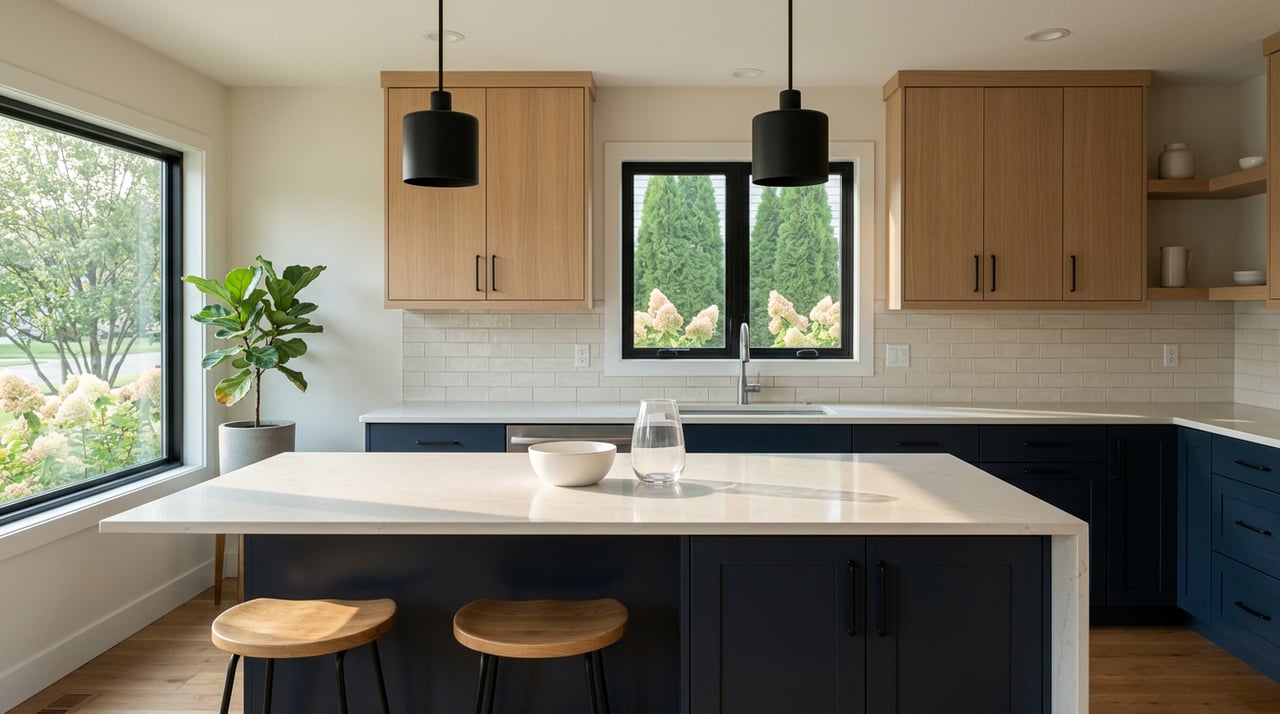
- Professional or guided staging helps buyers see how rooms live and improves photos.
- Focus on decluttering, neutral paint, lighting, and furniture placement that opens pathways.
- Small, high-impact updates often beat big renovations when the goal is to capture a competitive price band.
Media that sells the story
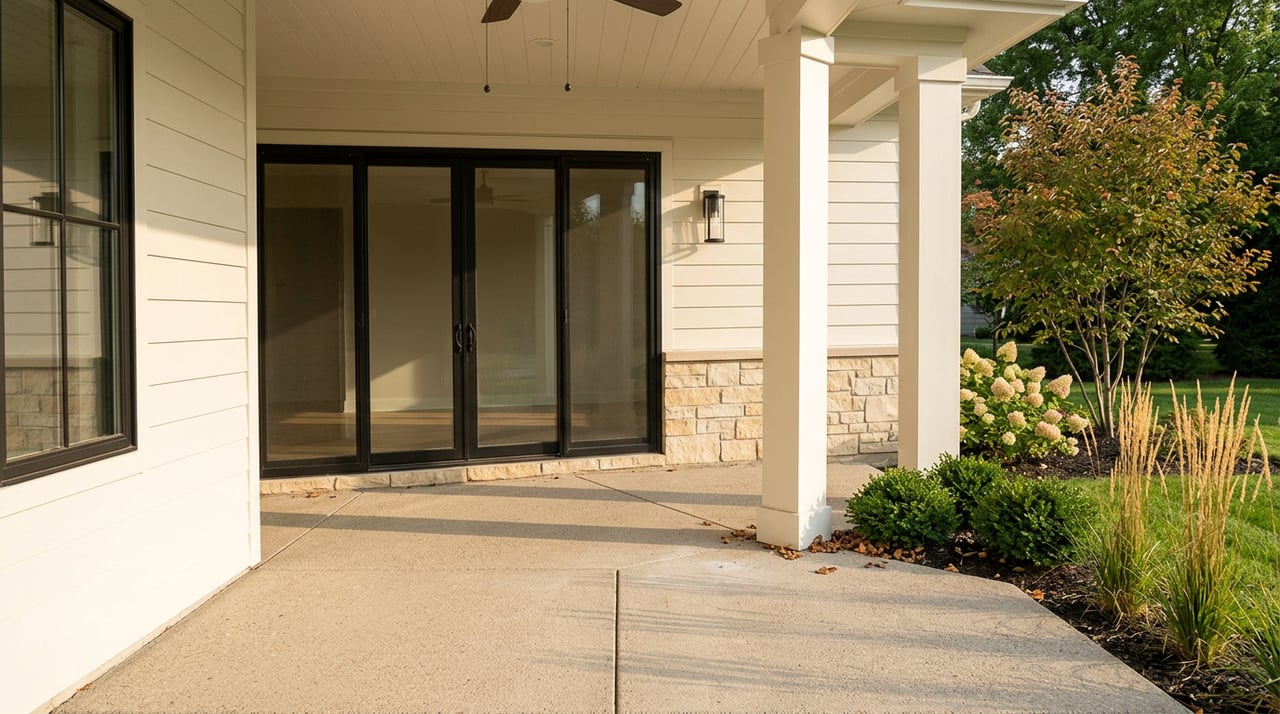
- Use high-quality photography and a 3D tour to boost clicks and showing requests.
- Consider virtual staging for vacant rooms to help buyers visualize scale and use.
Strategic pre-list exposure
- Use an MLS Coming Soon period to build anticipation ahead of your offer window.
- Host a broker preview and email local agents who have buyers in your band.
- Run targeted digital marketing aimed at likely mover profiles in the area.
Staging and marketing checklist
- Pre-list inspection and simple repairs completed
- Declutter, depersonalize, and neutral paint where needed
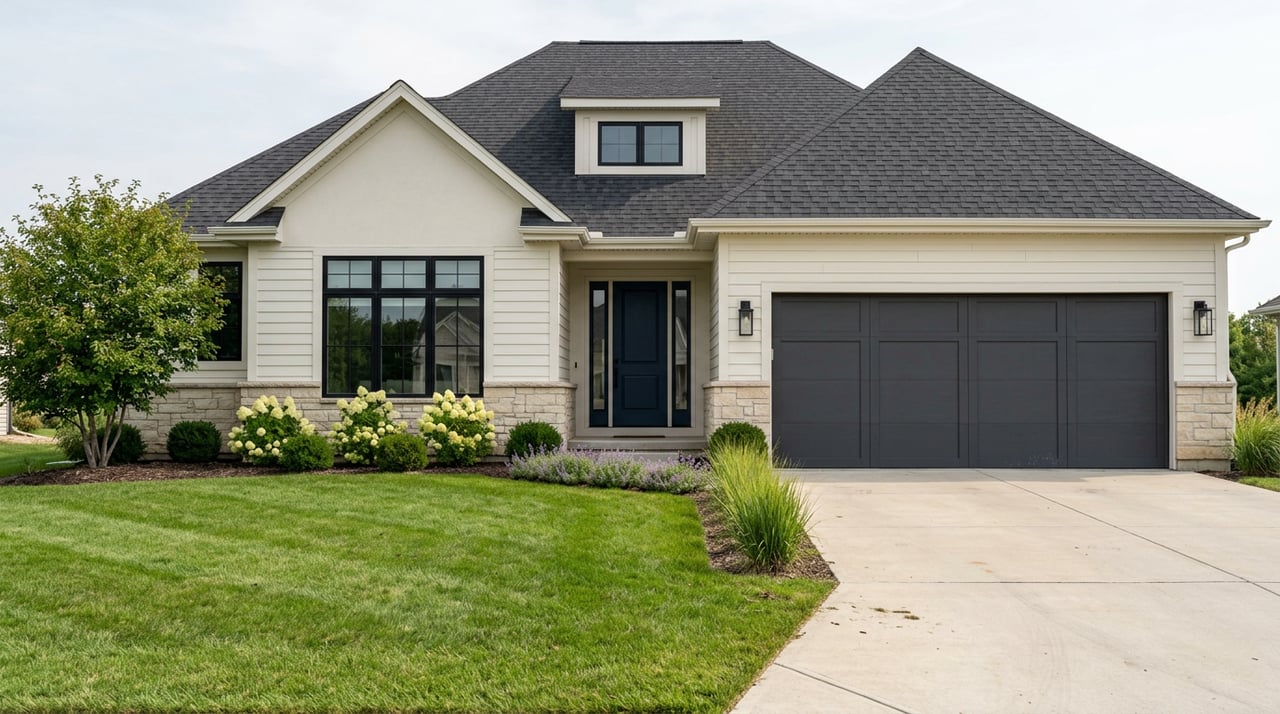
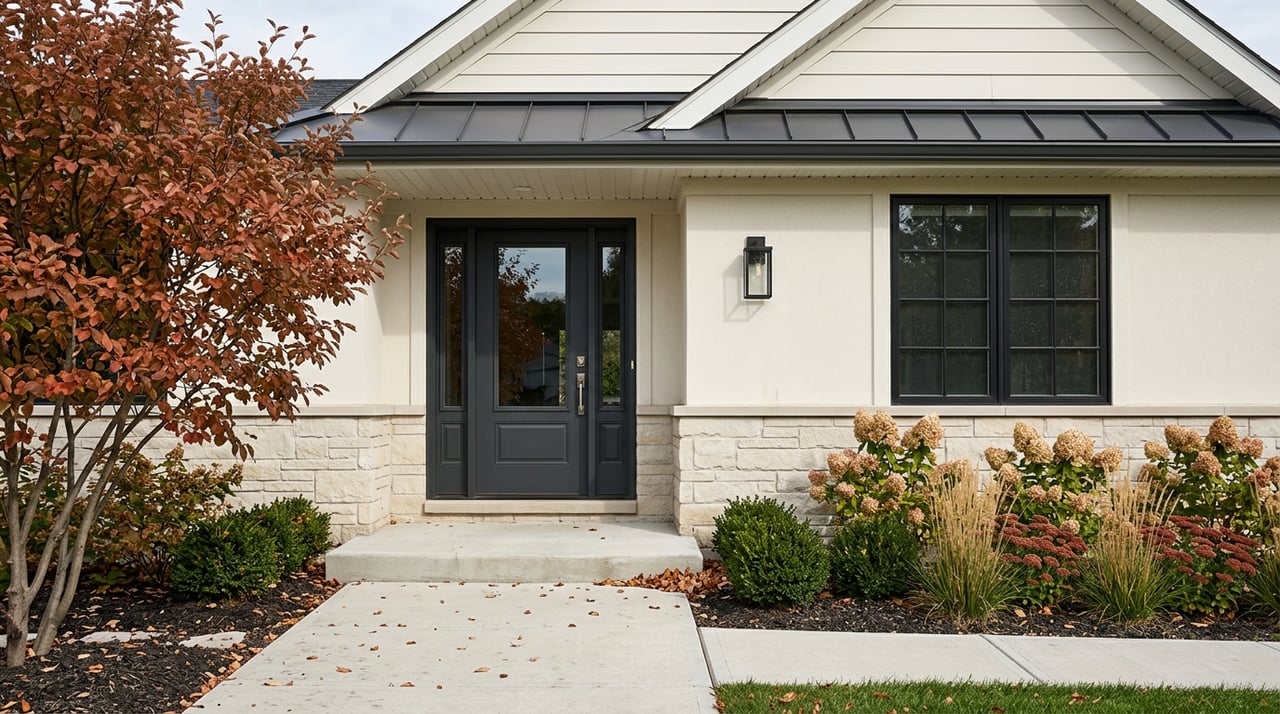
- Curb appeal refresh: lawn, entry, lighting
- Professional photos and 3D tour scheduled
- Broker open or neighborhood agent outreach set
- Coming Soon and targeted digital ads planned
- Clear note in disclosures about competitive pricing strategy and offer deadline
Avoid the common trap of overpricing
Overpricing works against you in very predictable ways.
- Fewer views and showings because buyers screen by price.
- Longer days on market that can lead to price cuts and lower net proceeds.
- Low or no offers as buyers assume there is room to negotiate.
- Higher risk of appraisal shortfall and failed financing.
Plan to reassess quickly if the market signals trouble. In the first 7–14 days, watch your showings, feedback, and offers. If you have steady showings but no offers, adjust condition or presentation. If traffic is slow, consider a well-supported price improvement with fresh marketing rather than several small reductions.
A simple pricing worksheet for your listing
Use this short worksheet to pressure-test your price and plan.
- Comparable sales: addresses, sale dates, sale prices, and dollar adjustments
- Active competition: list prices and days on market
- Absorption rate: calculation and pricing stance recommendation
- Price-band placement: target list price and reason for your threshold strategy
- Marketing and staging budget tied to the pricing choice
- Offer plan: deadline, showing schedule, escalation clause policy, appraisal risk approach
- Reprice timeline: triggers and actions after 7–14 days
What working with Brisky Homes looks like
You deserve a pricing plan that fits Dayton’s market and your goals. Our team pairs local expertise with high-touch presentation so your price attracts the right buyers fast. We guide staging, invest in standout photography and virtual tours, and run targeted marketing that builds momentum for your launch. You get clear communication, scenario planning, and a plan to manage multiple offers with confidence.
If you are thinking about selling in Dayton, we will provide a data-backed valuation, a price-band strategy, and a simple checklist to get market-ready. Ready to see what your home could sell for? Get a Free Home Valuation with Brisky Homes.
FAQs
How should Dayton sellers pick comps for pricing?
- Choose 3–6 closed sales from the last 3–6 months in your subdivision or within 1–2 miles, then adjust for differences in size, condition, and key features.
What does absorption rate tell Dayton homeowners?
- It shows market speed: above 1 often favors sellers, around 1 is balanced, and below 1 suggests slower conditions that need more conservative pricing.
Will listing slightly under market bring higher offers in Dayton?
- It can when inventory is tight and marketing is strong, since more showings can create a bidding environment that lifts the final price.
How fast will I know if my Dayton price is off?
- The first 7–14 days tell the story; slow showings, no offers, or price-focused feedback signal a need to adjust presentation or price.
What staging steps boost perceived value for Dayton buyers?
- Declutter, neutral paint, lighting updates, curb appeal refresh, and professional photos or a 3D tour typically deliver the best return on a tight timeline.