Are you torn between a bright walkout and a simple slab home in Champlin? You are not alone. The right foundation type affects how your home lives, how it handles winter, and what you will spend on upkeep. In this guide, you will compare walkout and slab homes through a Champlin lens, including lot fit near the Mississippi River, cold-weather comfort, moisture and radon, storage, and resale. Let’s dive in.
Walkout and slab, defined
Walkout basement basics
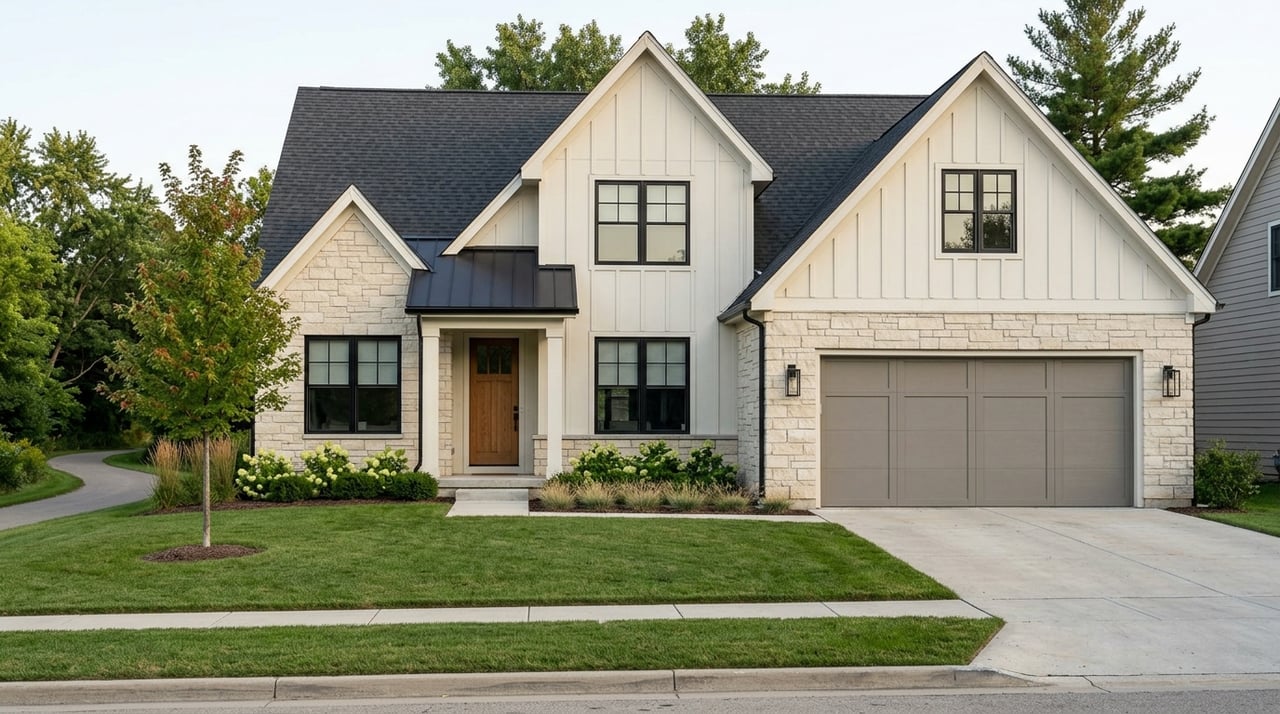
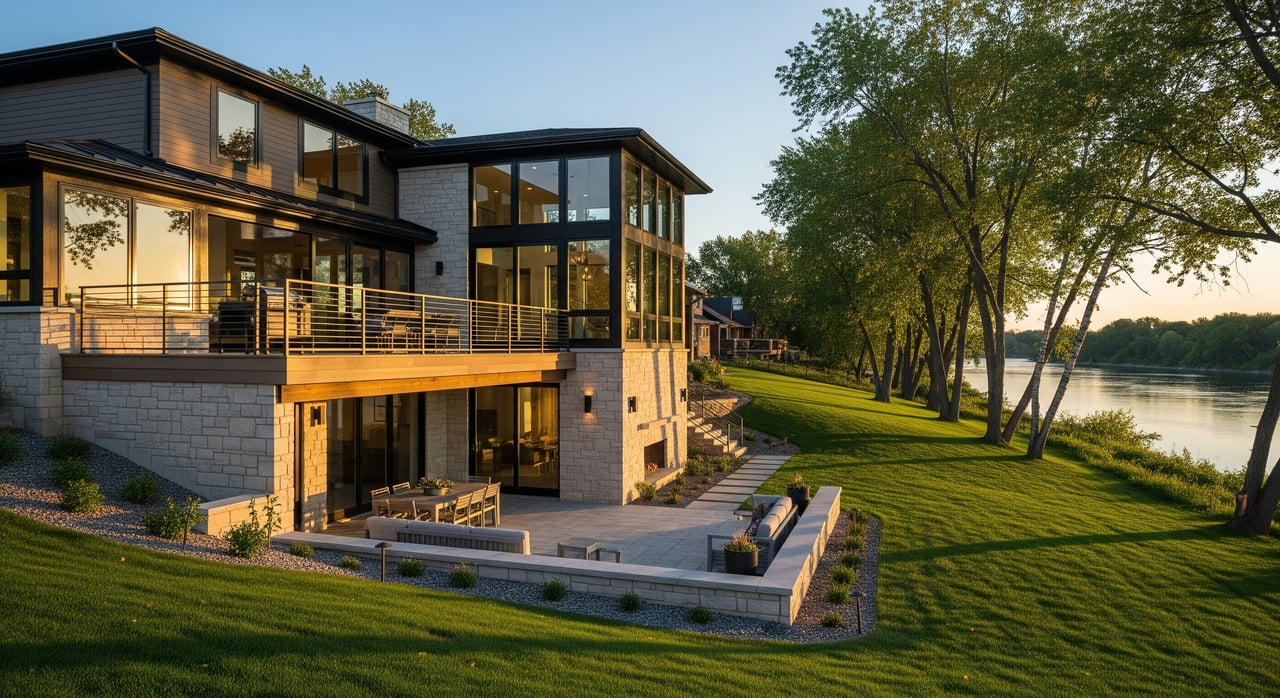
A walkout basement sits on a sloped lot so one side of the lower level opens to the yard. You get natural light, easy outdoor access, and room for storage or extra living space. This setup is common where lots slope toward the river, ravines, or preserved green space. The trade-off is more complex site work, waterproofing, and egress details, which can raise costs.
Slab-on-grade basics
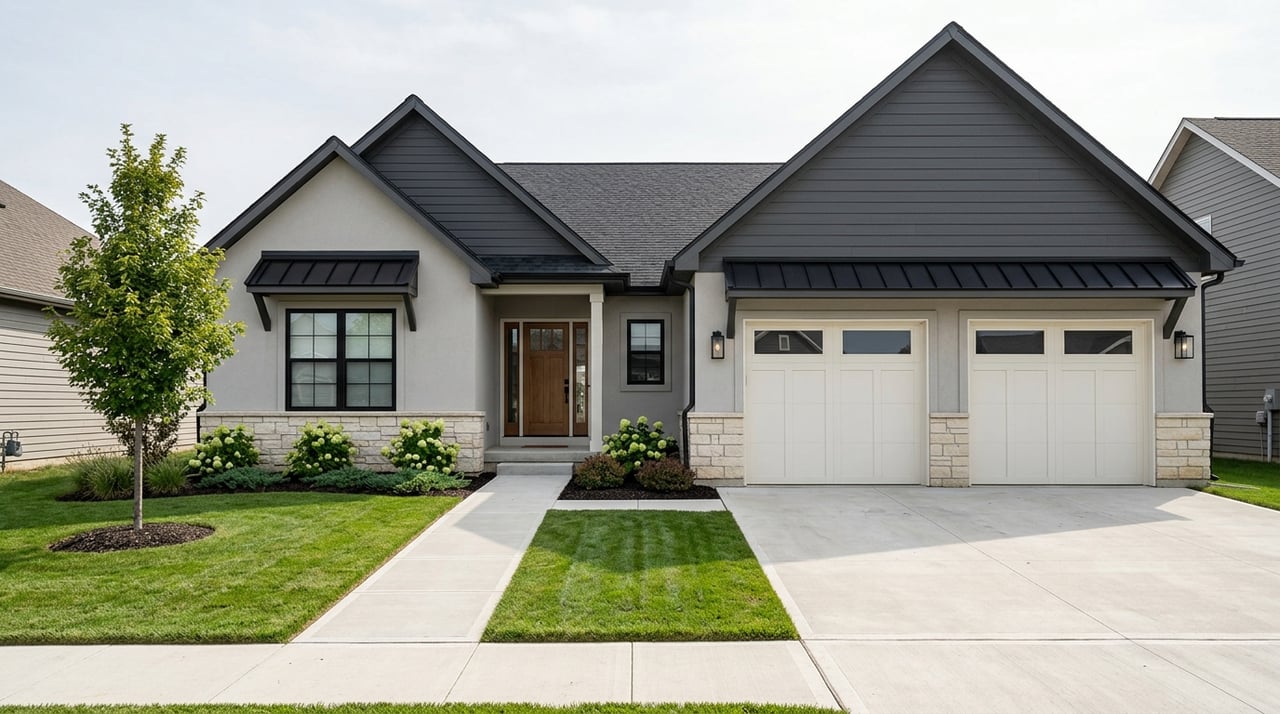
A slab home is built on a concrete slab placed on prepared soil with frost-protected footings. These homes fit well on flat or gently sloped lots that are common in many Champlin subdivisions. You avoid basement-specific maintenance and often see lower initial foundation costs. The trade-offs are limited interior storage and having utilities tucked into a smaller mechanical area, sometimes closer to cold zones if not well insulated.
Champlin lot fit and river context
Where walkouts make sense in Champlin
Champlin includes bluff edges, valley corridors, and flatter subdivision parcels. If a lot drops away toward the rear or side, a walkout becomes feasible and can feel like above-grade living. Expect walkouts more often near slopes with daylight exposure. On level lots away from slopes, slabs are common and practical.
Floodplain checks along the Mississippi
Some Champlin parcels sit near the Mississippi River and may fall within FEMA flood zones or local floodplain overlays. Flood status can affect insurance requirements, where you can finish space, and the elevation you need for grade. Before you offer on a home, check official flood maps and ask the city about any floodplain or shoreland rules. If a property sits in a flood zone, confirm expected insurance costs and any prior flood claims.
Slope, soil, and permits
Hennepin County soils range from clay to sand and glacial till. On sloped or river-adjacent sites, you may see fills or alluvial deposits. A geotechnical or soils review is wise if the lot is steep, has a history of fill, or shows drainage concerns. City and county staff enforce Minnesota building codes for frost depth, egress, and energy standards. On bluff lots, local setbacks and shoreland rules can limit grading and may influence whether a walkout is feasible.
Cold climate performance
Heating and insulation needs
Champlin winters are long and cold, so insulation and air sealing matter for both foundations. A walkout’s exposed lower-level wall needs continuous insulation to prevent cold spots. Slab homes need insulated slab edges and protected piping so floors feel comfortable and plumbing stays safe. Radiant floor heating in a slab is an option that can boost comfort.
Frost protection and code
Frost depth around the Twin Cities is commonly cited at about 3 to 4 feet. Foundations must meet Minnesota State Building Code for frost protection. That means proper footing depth and detailing for both walkouts and slabs. When you review disclosures or builder plans, verify footing depth and insulation details meet code.
Moisture, drainage, and radon
Walkout waterproofing essentials
A solid walkout relies on exterior waterproofing, drain tile that moves water to a working sump pump, and grading that sheds water away from the house. Window wells should have drainage and covers. Door thresholds at the walkout side need careful sealing and placement to avoid wind-driven rain. On sloped yards, terraced landscaping and any retaining walls should include engineered drainage.
Slab moisture and comfort
Slab homes avoid classic basement leaks, but moisture vapor can still move up through the slab if there is no proper vapor barrier or sub-slab drainage. This can affect certain floor finishes. Edge insulation, a quality vapor barrier, and attention to water management at entries help you keep floors warm and dry.
Radon testing and mitigation
Many parts of Minnesota have elevated radon potential. Radon can enter both basements and slabs. Plan to test any Champlin home and review recent results. If levels are high, standard mitigation systems, such as sub-slab or sub-membrane depressurization, are effective when installed by a qualified pro.
Storage, utilities, and daily living
Choose a walkout if
- You want bright lower-level living with easy yard access.
- You need flexible space for a family room, office, or in-law setup.
- You value extra storage and a dedicated area for mechanicals.
- You are comfortable managing sump pumps, grading, and waterproofing.
Choose a slab if
- You prefer simple, single-level living and fewer basement tasks.
- You want likely lower upfront foundation costs.
- You have minimal storage needs or plan to use the garage, attic, or sheds.
- You want easy accessibility with fewer stairs.
Utility placement and access
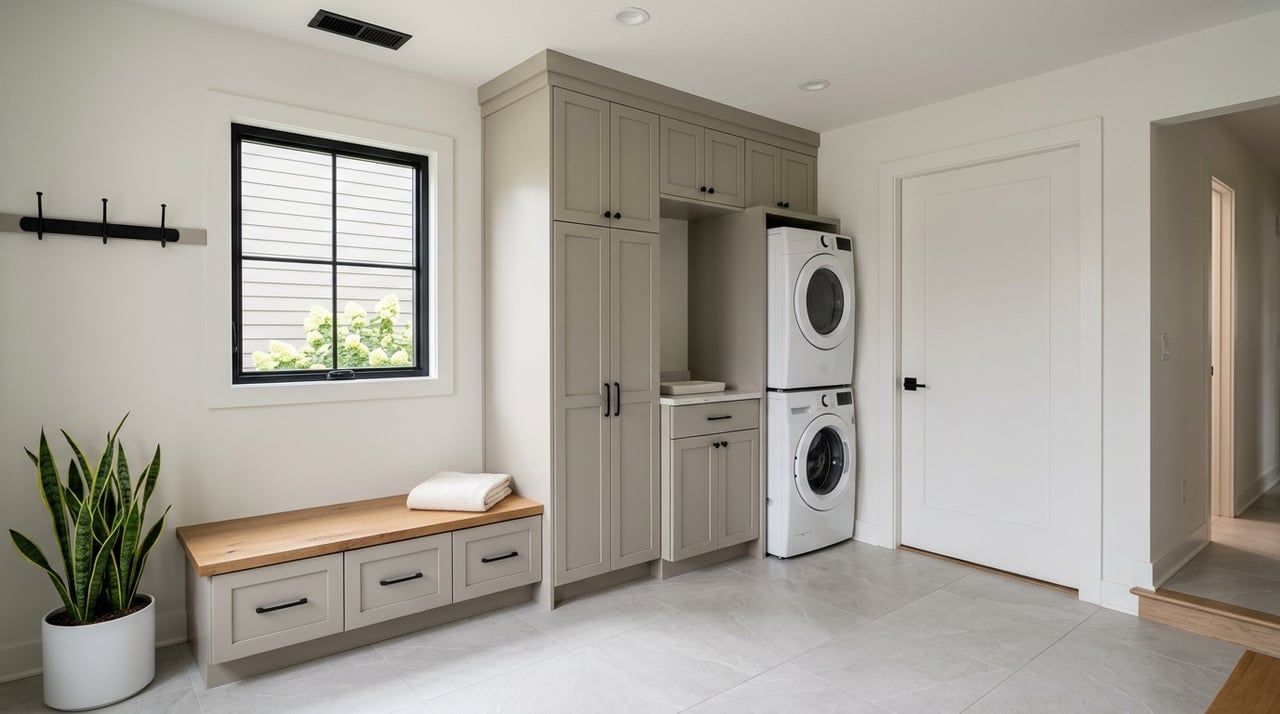
Walkouts often tuck mechanicals in a thermally buffered lower level, which can reduce freeze risk. Slab homes place equipment in a main-level room or garage space, so insulation and location are critical. Know where sewer lines, shutoffs, and cleanouts sit. Repairs under a slab may require cutting concrete, so access planning matters.
Resale in the Champlin area
Finished, light-filled lower levels in walkout homes tend to appeal to buyers, especially on lots with privacy or views. Slab homes attract buyers who prioritize single-level layouts and lower maintenance. Neighborhood context matters. In areas where slabs dominate, buyers expect that format. In bluff or custom-home pockets, walkouts can be the norm. For accurate pricing, lean on local MLS data and a Champlin-focused pricing strategy that compares like with like, including the extent and quality of any finished lower level.
Buyer inspection checklist
Site and legal
- Confirm whether the parcel lies in a FEMA flood zone or local floodplain. Request available maps and any elevation certificates.
- Ask about bluff or shoreland setbacks that might limit grading or exterior changes.
- Look for any soils or geotechnical reports. If none exist on a challenging lot, consider making one a contingency.
Walkout-specific
- Inspect exterior waterproofing history, drain tile, and sump pump age and backup power.
- Check window wells and thresholds for drainage details and signs of past water.
- Verify that any lower-level bedrooms have code-compliant egress.
Slab-specific
- Identify where main plumbing lines and shutoffs are located and how accessible they are.
- Look for slab cracks, heave, or settlement near entries, and ask about previous repairs.
- Ask about sub-slab vapor barriers and slab edge insulation.
Utilities and mechanicals
- Map out duct runs and piping. Note if any equipment is in a garage or unconditioned space.
- Record ages and service history for the furnace, water heater, sump pump, and any radon system.
Indoor air and radon
- Request recent radon test results and any mitigation documentation. If none are available, plan to test after inspection.
Insurance and cost
- If near the floodplain, get a flood insurance estimate and ask about any past flood or sewer backup claims.
- Ask your agent for recent sales that compare walkout and slab homes in Champlin to understand typical price differences.
How Brisky Homes can help
You should not have to guess about soil, floodplain, or winter comfort. Our team knows Champlin’s mix of bluff and subdivision lots and can help you weigh storage, accessibility, maintenance, and resale. We connect you with inspectors and local contractors for drainage, insulation, and radon, and we pull the right comps so you understand value. If financing is a hurdle, we can discuss creative pathways that fit your situation.
Ready to compare specific homes or plan a move. Reach out to Brisky Homes for local guidance, a smart search strategy, and a friendly, professional path to your next home.
FAQs
What is the main difference between walkout and slab homes in Champlin
- Walkouts use sloped lots to add bright lower-level space with yard access, while slab homes sit on flat lots with no basement, offering single-level living and simpler maintenance.
Do walkout basements near the Mississippi in Champlin have higher flood risk
- Some river-adjacent parcels fall within flood zones that can affect insurance and finished space, so verify flood status for each property and factor that into your budget.
How do slab floors feel in Minnesota winters
- Without proper edge insulation or radiant heat, slab floors can feel cool, so ask about insulation details and consider floor coverings and heating options.
Are finished walkout levels counted like other living space at resale
- Buyers often value bright, finished lower levels in walkouts as usable living area when they meet code and offer good natural light and access, but pricing should rely on local comparables.
What radon steps should I take for Champlin homes
- Test every home, review recent results, and plan mitigation if levels are high, since radon can affect both basements and slabs in Minnesota.
Do I need a soils or geotechnical report for a walkout lot
- If the lot is steep, near a bluff, or has a history of fill, a soils review can reduce risk and inform drainage and foundation choices before you move forward.