Thinking about what comes after your starter home in Maple Grove? You want more space, smart school choices, and an easy daily routine without losing the fun of nearby parks and shops. This guide gives you a clear, family-first look at where local households are moving next and how to narrow your shortlist with confidence. You’ll compare neighborhoods, weigh commute and school factors, and learn how to balance budget with long-term value. Let’s dive in.
How families choose their next home
Growing families in Maple Grove tend to focus on a handful of practical priorities:
- Schools and boundaries. You’ll want to confirm which district and schools serve your exact address, along with available programs like STEM or language immersion.
- Parks, trails, and recreation. Daily access to playgrounds, youth sports, and regional parks shapes your lifestyle and supports future resale.
- Commute and transportation. Look at drive-time during peak hours, plus park-and-ride and express bus options if transit fits your routine.
- Home style, lot size, and age. Decide whether you prefer newer subdivisions with modern layouts or established streets with mature trees and character.
- Price tiers and resale dynamics. Consider competition in your price band, time on market, and how features like schools or lot size may support value.
- Amenities and walkability. Proximity to grocery, pediatric care, libraries, and family-friendly retail makes daily life easier.
Maple Grove neighborhoods to explore
Below are family-friendly areas that often make the shortlist, each with a distinct vibe and trade-offs.
Arbor Lakes / Maple Grove Parkway corridor
What it feels like: Retail-rich, active, and convenient. You’ll find restaurants, entertainment, and newer mixed-use spots with an easy, everyday routine.
Homes you’ll find: Townhomes and newer single-family communities, often with modern finishes. Yards tend to be lower maintenance.
Why families choose it: Walkable access to shops and services and quick weekend activities. It suits buyers who want convenience over larger lots.
Weaver Lake / Bass Lake area
What it feels like: Lakeshore living and summer fun. Trails and water access set the tone for an outdoor-forward lifestyle.
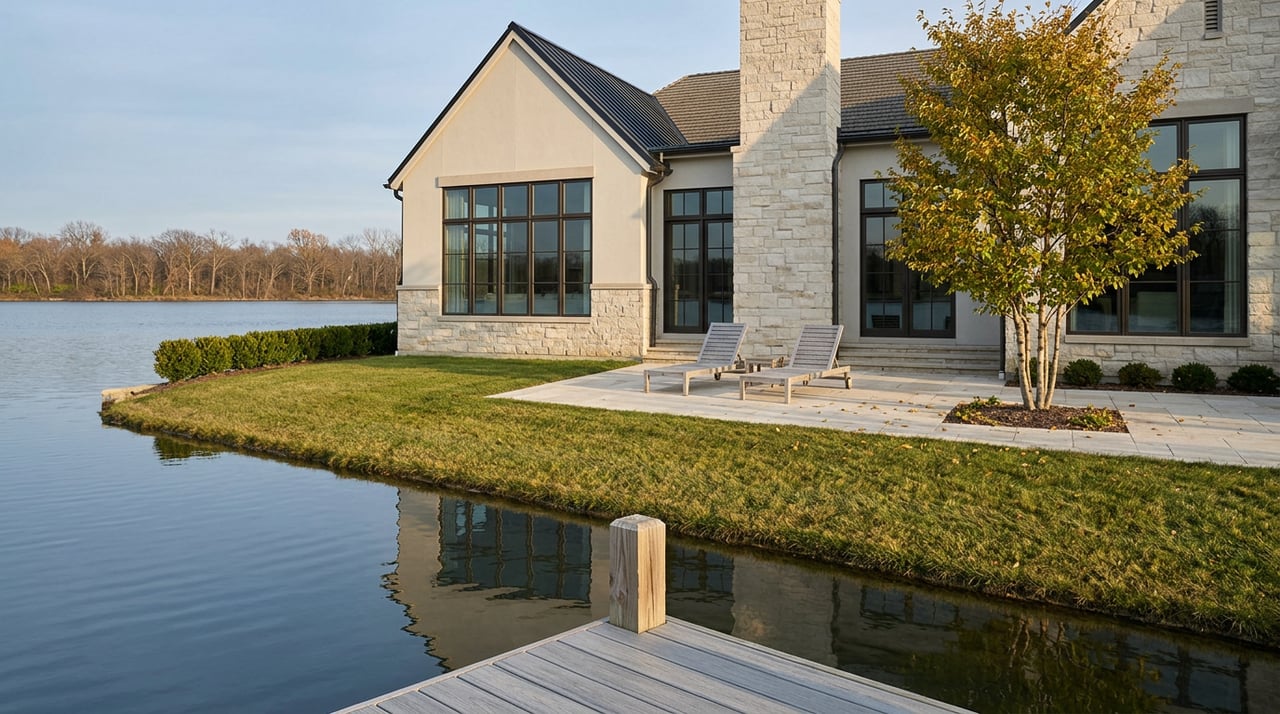
Homes you’ll find: A mix of classic lake cottages, renovated properties, and newer custom homes. Direct lakefront usually sits at higher price points.
Why families choose it: Space for play, boating, and quiet streets. Larger lots and waterfront access are big draws for buyers who value the outdoors.
Elm Creek Park Reserve / northwest Maple Grove
What it feels like: Nature at your doorstep. You’re next to one of the largest regional parks in the Twin Cities with trails and year-round programming.
Homes you’ll find: Suburban single-family homes on medium to large lots, plus newer subdivisions and some semi-rural parcels near the city edge.
Why families choose it: Trails, sledding, alpine and cross-country skiing in winter, and open space for kids. It’s ideal if you want a backyard plus big park access.
Downtown / civic center / community center area
What it feels like: Central and community-focused. You’re near municipal services, pools, libraries, and frequent family events.
Homes you’ll find: Established neighborhoods with both older and newer homes, often close to schools and local amenities.
Why families choose it: A strong neighborhood identity and practical access to community programming. Good for buyers who want to be in the middle of it all.
South Maple Grove / Plymouth border neighborhoods
What it feels like: A blend of Maple Grove convenience with quick access to Plymouth’s established retail corridors.
Homes you’ll find: A range of single-family homes on moderate to larger lots, with varied ages and price tiers.
Why families choose it: Multiple school district overlaps in parts and southbound access for commuters. It balances location options with neighborhood variety.
West edge toward Rogers, Corcoran, Medina
What it feels like: More space and a quieter vibe. Fewer nearby retail options mean you’ll drive to Arbor Lakes or Plymouth for errands.
Homes you’ll find: Larger-lot homes and newer custom builds, often at higher price-per-acre trade-offs.
Why families choose it: Privacy, acreage, and room to grow. It’s a fit if you want elbow room and do not mind a short drive for shopping.
Nearby suburbs worth comparing
When you widen your search, you’ll see similar family priorities play out just beyond Maple Grove.
Plymouth
Similar family focus with a broad range of housing and schools. You’ll find many established neighborhoods and convenient retail corridors.
Rogers
A growing northwest suburb with newer subdivisions and quick access to major highway corridors. Good for buyers who want new construction options.
Medina and Corcoran
More rural settings with larger lots and custom homes. Expect a quieter feel with a higher price-per-acre trade-off.
Osseo and Brooklyn Park
Generally more affordable options closer to central job corridors. You’ll see varied housing ages and styles.
Schools and boundary checks
Most of Maple Grove is served by Osseo Area Schools (ISD 279). Some addresses fall into nearby districts, so it’s important to verify by property. When comparing schools, use neutral, data-driven criteria and confirm the following for each home on your shortlist:
- Feeder patterns from elementary to middle to high school
- State test proficiency and growth metrics
- Program offerings, such as STEM, AVID, language immersion, or magnet options
- Class sizes and school capacity
- Transportation and stop locations
- After-school, childcare, and preschool availability
Boundary maps and district updates can change, so confirm assignments for your specific address before you write an offer.
Parks, trails, and family amenities
Maple Grove blends daily convenience with easy access to outdoor recreation:
- Elm Creek Park Reserve. Trails, sledding, alpine and cross-country skiing, and programming that keeps kids active all year.
- Arbor Lakes area. Shopping, restaurants, family entertainment, and a pedestrian-friendly layout for weekend fun.
- Community center and aquatic facilities. A hub for lessons, youth sports, pools, and activities that anchor weekly routines.
- Neighborhood parks and playgrounds. The distribution of smaller parks matters if you want walkable play areas for younger kids.
Commute and transit snapshot
Commute comfort shapes where families land. Use live mapping during peak hours to check door-to-door times for your primary work locations. Look at alternate routes in case of congestion. If transit fits your routine, review express service options and park-and-ride locations that connect to regional job centers. Also keep an eye on planned road projects and city updates that may affect future traffic patterns.
Home styles and price tiers
You have a range of move-up options in and around Maple Grove. Each tier trades different features.
- Entry move-up: Often townhomes near retail or established single-family homes from the 1990s to 2000s. Expect moderate yards, practical layouts, and some original finishes that might be updated.
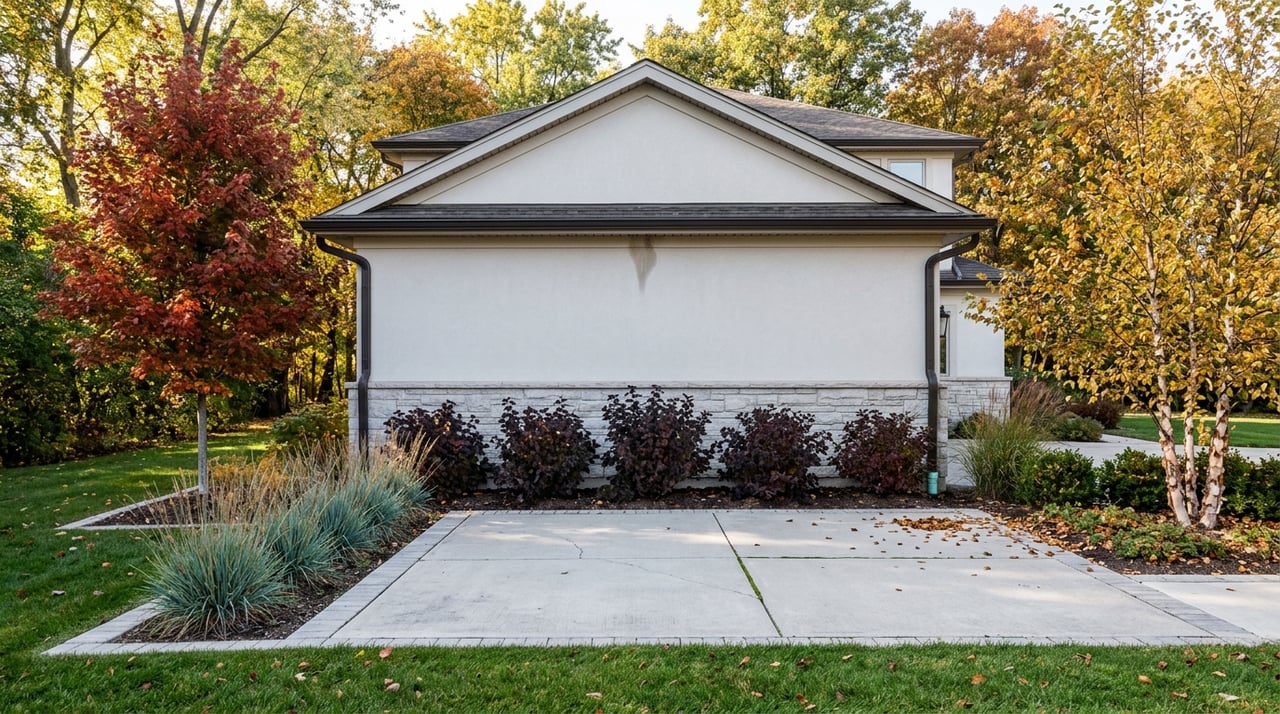
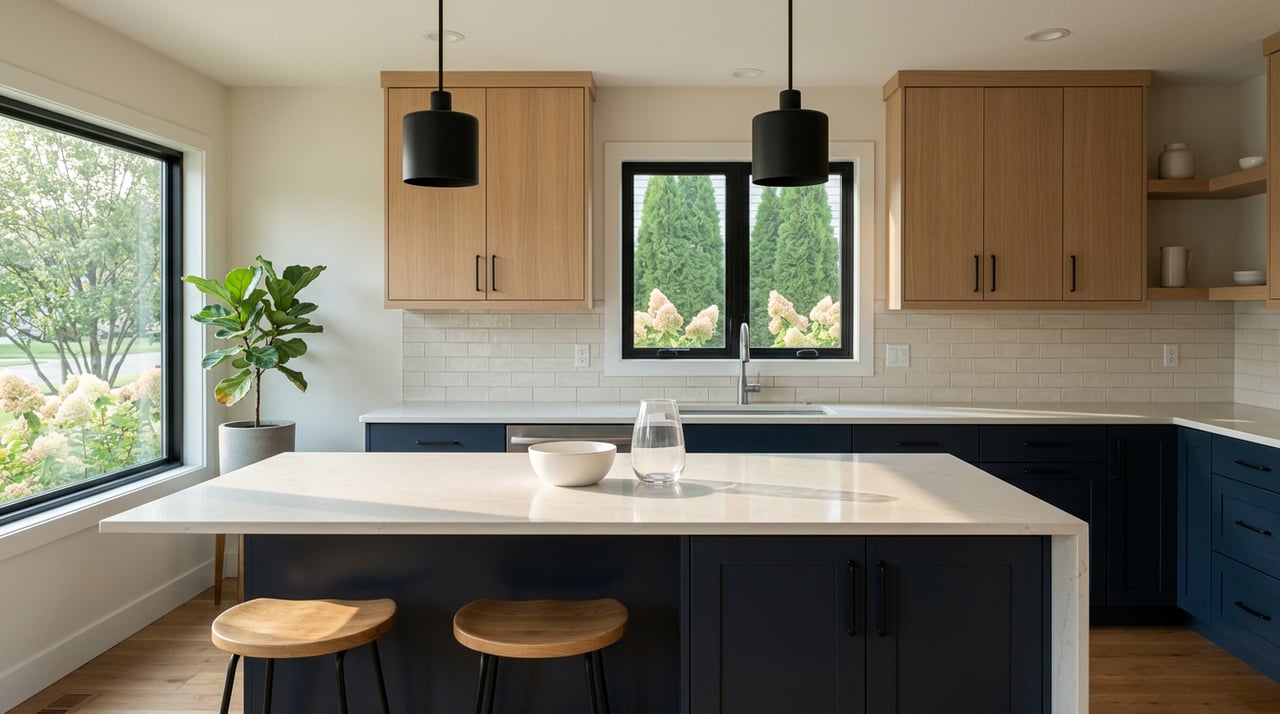
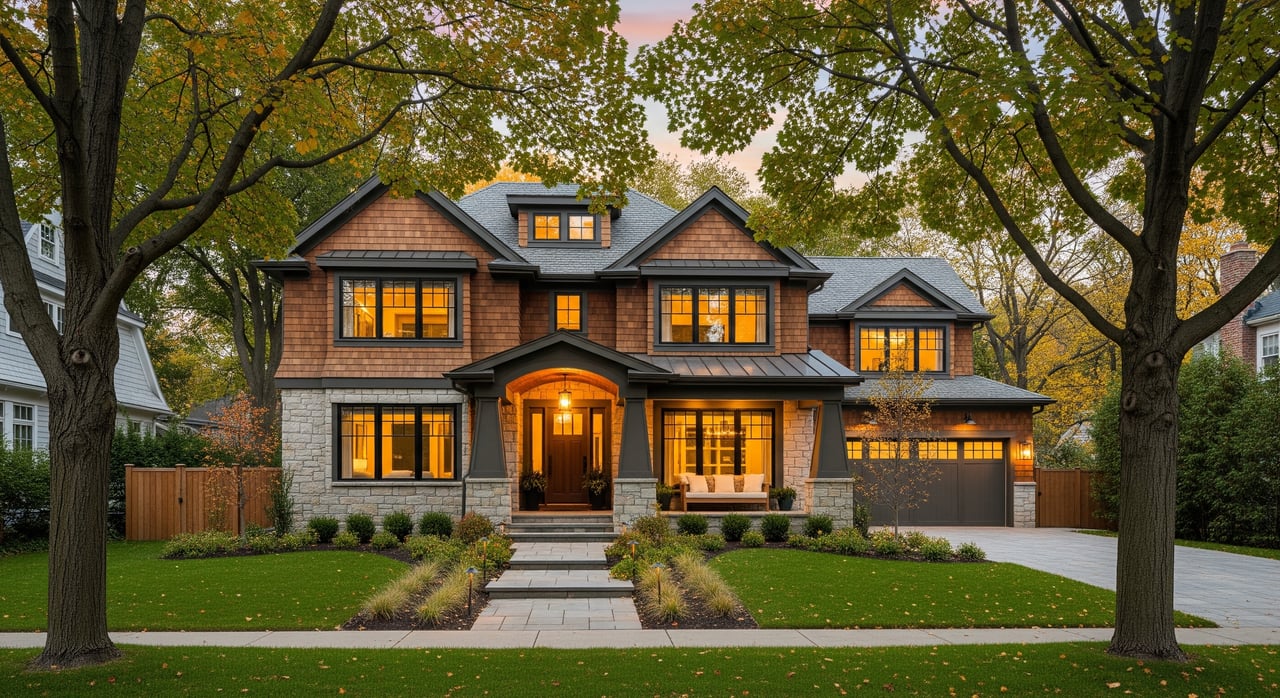
- Mid-range move-up: Newer subdivisions from the 2000s to present with open floor plans, larger primary suites, modern kitchens, and attached 3-car garages. Yards vary by neighborhood.
- Luxury and lakeshore: Custom homes, larger lots, and premium finishes. Direct waterfront usually carries a higher price tier and different maintenance needs.
For any tier, factor in property taxes, potential HOA fees for townhomes, and utilities or upkeep for lake properties. Ask for a neighborhood-specific market snapshot that includes median sold price, price per square foot, and time on market so you can compare apples to apples.
Resale and long-term value
Families often prioritize features that support long-term value:
- Schools and parks. Proximity and access tend to support buyer demand.
- Lot size and waterfront access. These features are hard to replicate and usually preserve value.
- Retail and office development. New projects can boost convenience and walkability. They may also increase traffic, so weigh the trade-offs.
- Proximity to major roads. Easy access can shorten commutes but may affect noise and privacy.
- Age of systems. Roof, HVAC, windows, and major mechanicals influence near-term costs and buyer appeal. Ask for disclosures and consider a pre-offer maintenance plan.
Make your shortlist in five steps
Use this quick process to turn a long list into a focused plan.
- Confirm school assignments. Verify the assigned elementary, middle, and high school for each address on your list. Review performance trends and programs.
- Pressure-test your commute. Use live drive-time checks for your peak hours. Save alternate routes and note park-and-ride options if you plan to use transit.
- Run neighborhood comps. Look at recent comparable sales from the past 6 to 12 months. Pay attention to days on market and price movement in your target band.
- Review lot and HOA details. Confirm lot size, easements, and any covenants or HOA fees. Ask for neighborhood bylaws when applicable.
- Plan for upkeep and taxes. Review disclosures, inspection findings, and the property tax history. Budget for near-term upgrades and routine maintenance.
If you’re weighing multiple areas, a side-by-side of 3 to 5 neighborhoods with notes on schools, parks, commute, home style, and price tier can make the decision easier.
How Brisky Homes helps
You deserve a clear path forward and a stress-minimized move. We focus on move-up family buyers in Maple Grove and the north and northwest suburbs. Here’s how we can help you choose well:
- Neighborhood-first guidance. We walk you through school boundaries, park access, commute options, and development plans so each home fits your routine.
- Smart market insights. We prepare neighborhood comps and trends tailored to your price band and timing.
- Creative financing options. If traditional lending is a barrier, we can explore Contract for Deed pathways and help you map next steps.
- Clear presentation and coordination. From tours to negotiations and inspection, we keep you informed and moving forward.
Ready to build your shortlist and tour the right homes first? Reach out to Brisky Homes for a friendly, focused strategy session that fits your family and budget.
FAQs
Which Maple Grove areas are popular for families?
- Arbor Lakes, Weaver Lake and Bass Lake, the Elm Creek Park Reserve area, the civic center area, south Maple Grove near Plymouth, and the west edge toward Rogers and Corcoran are common picks.
How do I verify school assignments for a home?
- Check the address on the local district’s boundary tools and confirm feeder patterns, programs, and any recent or pending boundary changes before you write an offer.
What is the commute like from Maple Grove to job centers?
- It varies by neighborhood and time of day. Use live mapping during peak hours, test alternate routes, and review park-and-ride or express service options if transit suits you.
What home styles fit a growing family in Maple Grove?
- Many buyers choose newer subdivisions with open layouts and 3-car garages, established 1990s–2000s neighborhoods with updates, or lakeshore and larger-lot homes for space.
How should I compare neighborhoods on value and resale?
- Focus on school access, proximity to parks, lot size, and distance to major roads and retail. Review recent neighborhood comps and ask about upcoming development.
How does Maple Grove compare to Plymouth, Rogers, and Medina?
- Plymouth offers a similar family focus and established amenities, Rogers has newer subdivisions near highway corridors, and Medina or Corcoran offer larger lots with a more rural feel.